
Skin Savvy Clinic by Dr Garima

Skincare Treatment

Skincare Treatment

Glutathione Skin Lightening in Varanasi – SkinLightening Expert

Glutathione Skin Lightening in Varanasi – Skin Lightening Expert In the world of skincare and aesthetics, glutathione has emerged as a popular and effective solution for those seeking brighter, healthier, and more even-toned skin. Known for its powerful antioxidant properties, glutathione works from the inside out to detoxify the body and enhance the skin’s natural radiance. If you’re considering glutathione skin lightening in Varanasi, Dr. Garima at Skin Savvy is the expert to consult. What is Glutathione? Glutathione is a naturally occurring antioxidant found in our cells. It helps neutralize free radicals, detoxify the liver, and boost immunity. When used in skincare treatments, it reduces melanin production—the pigment responsible for dark spots, uneven skin tone, and hyperpigmentation. How Does Glutathione Help in Skin Lightening? Glutathione interrupts the enzyme tyrosinase, which is essential for melanin synthesis. By inhibiting melanin production, it gradually lightens the skin, reduces blemishes, and imparts a youthful glow. It also improves overall skin health by: Reducing oxidative stress Enhancing skin elasticity Minimizing signs of aging Brightening dull complexion Types of Glutathione Treatments at Skin Savvy, Varanasi 1. Glutathione IV Infusions The most effective and widely used method, IV infusions deliver glutathione directly into the bloodstream. These sessions are conducted under strict medical supervision by Dr. Garima, ensuring safety and optimum results. 2. Glutathione Oral Supplements For those who prefer non-invasive options, oral supplements are also available. Though slower in results compared to IV therapy, they still provide antioxidant and brightening benefits. 3. Glutathione with Vitamin C Therapy Vitamin C enhances the absorption and action of glutathione, making this combination highly effective. This duo therapy not only promotes lighter skin but also boosts immunity and collagen production. Why Choose Dr. Garima for Glutathione Treatment in Varanasi? Personalized treatment plans tailored to your skin tone and goals Safe and FDA-approved products used Clinical environment with professional guidance Transparent consultation about expectations, side effects, and long-term care Expected Results and Timeline Visible improvements typically begin after 4 to 6 sessions, depending on your skin type and lifestyle. Results include: Brighter and even skin tone Reduction in pigmentation and dark spots Glowing, healthy-looking skin Safety and Side Effects Glutathione treatments are generally safe when administered by a qualified professional like Dr. Garima. Mild side effects may include: Temporary fatigue Injection site discomfort Rare allergic reactions All precautions and pre-treatment assessments are done before starting the procedure. Who is an Ideal Candidate? Glutathione therapy is suitable for individuals who: Want a natural glow and improved skin tone Suffer from pigmentation, dullness, or blemishes Are in overall good health and have realistic expectations Book Your Consultation Today Ready to achieve radiant, lighter skin under expert care? Visit Skin Savvy in Varanasi and let Dr. Garima guide you through a personalized skin-lightening journey. Glow from within with safe and effective Glutathione treatments by Varanasi’s skin expert! For more information please connect with us: Hospital’s Name: Skin Savvy by Dr Garima VaranasiAddress: Malviya kunj, SHARABH HOSPITAL, B31/13 D-P, Saket Nagar Colony, Lanka, Varanasi, Uttar Pradesh 221005Contact Number: +91-8808872742Email Id: contact@skinsavvybydrgarima.comWorking Days & Hours: Mon – Sat(11am–7 pm)  ,                                  Sunday(12pm–4 pm) Call Now Or WhatsApp
Skincare Treatment

Pigmentation Treatment in Varanasi Skin by Top Dermatologist

Pigmentation Treatment in Varanasi Skin by Top Dermatologist Pigmentation issues are a common concern, especially among Indian skin types, where melanin levels are naturally higher. Uneven skin tone, dark spots, melasma, and tanning are frequently experienced due to sun exposure, hormonal changes, or inflammation. If you’re struggling with skin pigmentation in Varanasi, expert help is available. At Skin Savvy, under the care of Dr. Garima, advanced and effective treatments are offered, tailored for Indian skin. Understanding Pigmentation in Indian Skin Indian skin is more prone to pigmentation because of higher melanin content. While melanin protects the skin from UV damage, excessive production leads to issues like: Hyperpigmentation: Dark patches due to sun damage, injury, or inflammation. Melasma: Hormonal pigmentation often seen on cheeks, forehead, and upper lip. Post-Inflammatory Hyperpigmentation (PIH): Pigmentation left after acne or injury. Freckles and Sunspots: Small dark spots due to long-term sun exposure. Causes of Skin Pigmentation Sun exposure without adequate SPF Hormonal imbalances or pregnancy Skin trauma like acne or burns Genetics and aging Certain medications or cosmetics Top Pigmentation Treatments in Varanasi at Skin Savvy 1. Medical-Grade Chemical Peels Chemical peels like glycolic acid, lactic acid, or salicylic acid exfoliate the upper layer of the skin and reduce pigmentation gradually. These are customized based on your skin type and concern. 2. Laser Pigmentation Reduction Q-Switched Nd:YAG Laser and Fractional Laser target melanin deposits deep within the skin. These lasers break down pigment clusters and help achieve a more even skin tone over time. 3. Skin Lightening Creams and Serums Prescription creams containing kojic acid, retinoids, vitamin C, niacinamide, and azelaic acid help lighten dark spots. These are often used in combination with in-clinic treatments. 4. Microneedling with Serums or PRP Microneedling boosts collagen and helps skin repair itself, reducing pigmentation over a series of sessions. When combined with Platelet-Rich Plasma (PRP), it accelerates healing and improves overall skin tone. 5. Cosmelan Peel This advanced depigmentation treatment is ideal for resistant melasma and dark patches. It is especially suited for Indian skin tones and offers impressive results with minimal downtime. Why Choose Dr. Garima at Skin Savvy, Varanasi? Dr. Garima is a leading dermatologist in Varanasi, known for her expertise in treating pigmentation issues in Indian skin. Her treatment approach combines clinical science with personalized care, ensuring safe and long-lasting results. Prevention and Aftercare Tips Always wear a broad-spectrum sunscreen (SPF 30 or higher) Avoid stepping out in direct sun during peak hours Use antioxidant-rich skincare products Stay hydrated and follow a healthy diet Do not pick or scratch pigmented areas Consult an Expert If you’re tired of using DIY remedies and want real, visible results, consult Dr. Garima at Skin Savvy, Varanasi for safe, scientifically backed pigmentation treatments. Achieve radiant, even-toned skin with expert care in your city! For more information please connect with us: Hospital’s Name: Skin Savvy by Dr Garima VaranasiAddress: Malviya kunj, SHARABH HOSPITAL, B31/13 D-P, Saket Nagar Colony, Lanka, Varanasi, Uttar Pradesh 221005Contact Number: +91-8808872742Email Id: contact@skinsavvybydrgarima.comWorking Days & Hours: Mon – Sat(11am–7 pm)  ,                                  Sunday(12pm–4 pm) Call Now Or WhatsApp
Skincare Treatment

What Causes Dark Circles in Indians? BestTreatments for Removal

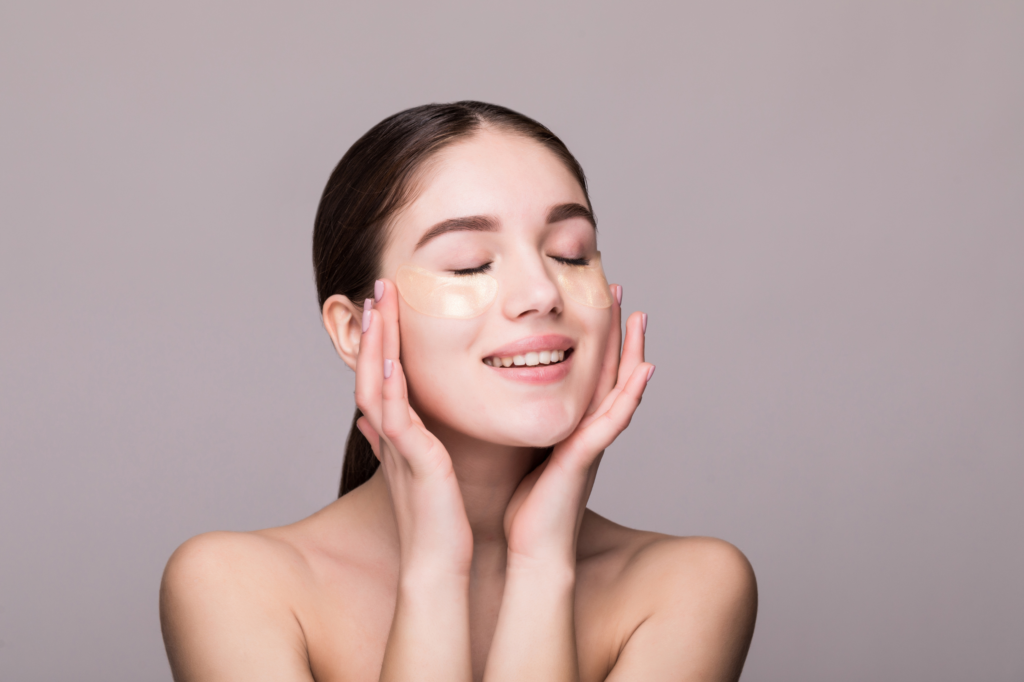
What Causes Dark Circles in Indians?Best Treatments for Removal Dark circles are a common concern among Indians, often making people look tired, stressed, or older than they really are. While they can affect anyone, they are particularly noticeable in individuals with medium to deep skin tones due to increased pigmentation. Fortunately, with a deeper understanding of the causes and the right treatment plan, dark circles can be effectively reduced. What Causes Dark Circles in Indians? 1. Genetic Predisposition One of the most common causes is heredity. If your parents or grandparents had dark under-eye circles, you’re more likely to develop them too. Indian skin types are naturally more prone to hyperpigmentation due to higher melanin production. 2. Pigmentation Indians often experience periorbital hyperpigmentation, where the skin around the eyes produces excess melanin. This leads to brownish or bluish discoloration under the eyes, especially in people with a darker skin tone. 3. Thin Skin and Blood Vessels The skin under the eyes is thin and delicate. In Indians, prominent blood vessels or shadowing due to thin skin can create a bluish or purplish appearance, especially when combined with fatigue or lack of sleep. 4. Lifestyle and Environmental Factors Late nights, prolonged screen time, dehydration, smoking, and excessive sun exposure can all worsen dark circles. These habits lead to tired, dry, or puffy eyes that amplify the darkness around them. 5. Allergies and Rubbing the Eyes Common in Indian households, allergic reactions, sinus issues, or frequent rubbing of the eyes (due to irritation or dryness) can cause inflammation and damage to the delicate skin, triggering more pigmentation Best Treatments for Dark Circle Removal 1. Topical Creams and Serums Dermatologist-recommended creams containing ingredients like retinol, vitamin C, kojic acid, caffeine, hyaluronic acid, and niacinamide help lighten pigmentation, stimulate collagen, and improve hydration. These are best used consistently under professional supervision. 2. Chemical Peels Mild under-eye chemical peels using ingredients like lactic acid or glycolic acid can gently exfoliate the skin, reduce pigmentation, and brighten the area over time. This is safe and effective when done by an expert. 3. Laser Treatments Laser therapy such as Q-switched Nd:YAG or fractional laser can target excess pigmentation and boost collagen production. This helps both with discoloration and skin texture improvement. 4. Fillers for Volume Loss If dark circles are caused by under-eye hollows or volume loss, hyaluronic acid-based dermal fillers can be injected to smoothen the area and reduce shadowing. Results are immediate and can last for several months. 5. PRP Therapy (Platelet Rich Plasma) PRP uses your own blood’s growth factors to stimulate collagen production and improve skin texture and pigmentation. It’s a popular choice for those looking for a natural, long-term solution. 6. Lifestyle and Preventive Care Sleep well: Ensure at least 7–8 hours of sleep daily. Stay hydrated: Drink plenty of water throughout the day. Use sunscreen: Always apply SPF, even under the eyes. Diet matters: Include iron-rich foods, green leafy vegetables, and vitamin C in your diet. Consult an Expert Each case of dark circles is different, and treatment must be customized based on the root cause. At Skin Savvy in Varanasi, Dr. Garima provides personalized consultations and treatments tailored to Indian skin types. Say goodbye to tired eyes—get expert care for brighter, refreshed skin today! For more information please connect with us: Hospital’s Name: Skin Savvy by Dr Garima VaranasiAddress: Malviya kunj, SHARABH HOSPITAL, B31/13 D-P, Saket Nagar Colony, Lanka, Varanasi, Uttar Pradesh 221005Contact Number: +91-8808872742Email Id: contact@skinsavvybydrgarima.comWorking Days & Hours: Mon – Sat(11am–7 pm)  ,                                  Sunday(12pm–4 pm) Call Now Or WhatsApp
Skincare Treatment

What Is Skincare Microdosing? And How It BenefitsYour Skin

What Is Skincare Microdosing? And How It Benefits Your Skin The skincare world is constantly evolving, and one of the latest trends creating buzz is skincare microdosing. If you’ve ever struggled with irritation from potent skincare products or felt overwhelmed by lengthy routines, microdosing might just be the gentle, effective solution you need. But what exactly is it, and how does it work? What Is Skincare Microdosing? Skincare microdosing refers to the technique of applying very small amounts of active skincare ingredients, like retinol, vitamin C, or acids, to your skin. The goal is to gradually introduce these potent actives without overwhelming your skin, reducing the risk of irritation, redness, and peeling. Instead of using high concentrations that can sometimes cause reactions, microdosing uses a low and slow approach—allowing the skin to build tolerance over time while still reaping the long-term benefits. Benefits of Skincare Microdosing 1. Reduces Skin Irritation Many active ingredients, especially retinoids and chemical exfoliants, can cause dryness, peeling, and redness when first introduced. Microdosing minimizes these side effects, making it ideal for sensitive skin types. 2. Builds Skin Tolerance By slowly introducing active ingredients, your skin gradually gets used to them. This method is perfect for beginners or those who have had bad reactions in the past to strong formulations. 3. Makes Skincare More Accessible You don’t need a complex 10-step routine. With microdosing, you can include potent ingredients in minimal amounts without layering too many products. It simplifies your routine while keeping it effective. 4. Supports Long-Term Skin Health Consistent use of microdosed actives over time leads to visible results—like improved texture, reduced fine lines, and an even skin tone—without the temporary setbacks of harsh reactions. 5. Ideal for Daily Use Because the dosages are minimal, most microdosed formulations can be used daily without fear of over-exfoliation or skin barrier damage. This keeps your routine consistent and results steady. How to Start Microdosing in Your Routine Start with one active ingredient like retinol or glycolic acid and use it 2-3 times a week in a low concentration. Combine with hydrating ingredients such as hyaluronic acid, ceramides, or niacinamide to support your skin barrier. Use sunscreen daily, especially when incorporating actives. Gradually increase frequency as your skin builds tolerance. Is Microdosing Right for You? Microdosing is especially beneficial for: Sensitive skin types Beginners in skincare Those recovering from over-exfoliation Individuals who want to prevent aging signs without aggressive treatments However, if you’re targeting specific concerns like acne or deep pigmentation, you may eventually need higher-strength products under the guidance of a dermatologist. Consult an Expert To ensure you’re using the right products in the correct doses, it’s always best to consult a dermatologist. At Skin Savvy in Varanasi, Dr. Garima offers customized skincare plans that include microdosing strategies suited to your skin type and concerns. Go slow to glow—discover the gentle power of skincare microdosing today! For more information please connect with us: Hospital’s Name: Skin Savvy by Dr Garima VaranasiAddress: Malviya kunj, SHARABH HOSPITAL, B31/13 D-P, Saket Nagar Colony, Lanka, Varanasi, Uttar Pradesh 221005Contact Number: +91-8808872742Email Id: contact@skinsavvybydrgarima.comWorking Days & Hours: Mon – Sat(11am–7 pm)  ,                                  Sunday(12pm–4 pm) Call Now Or WhatsApp

Skincare Treatment

How to Get Rid of Dry Feet and Cracked Heels – Dermatologist Tips

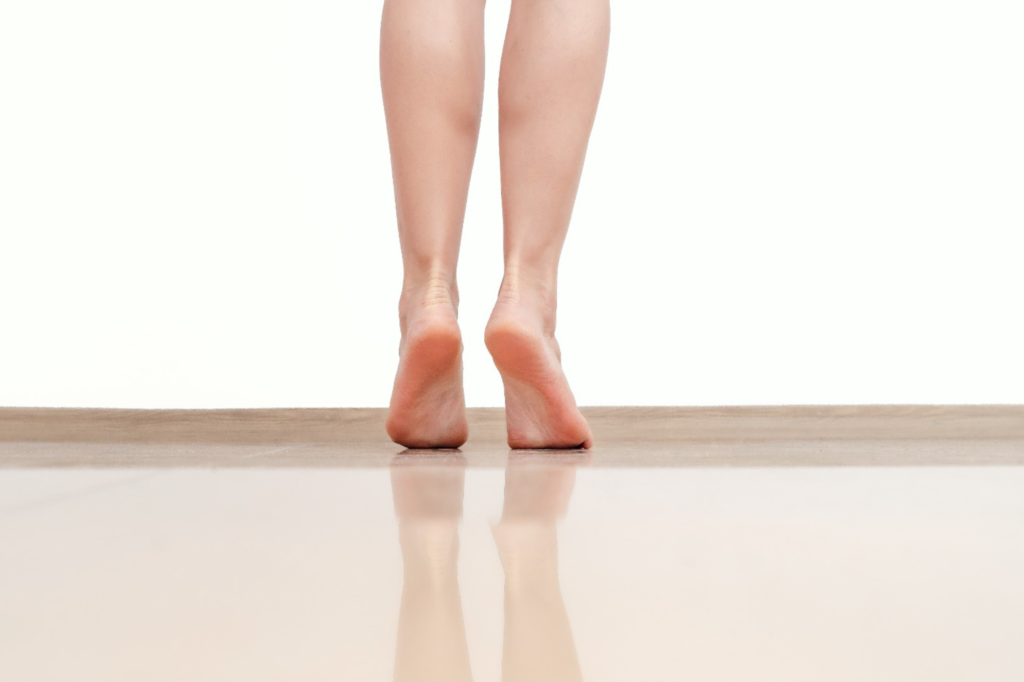
How to Get Rid of Dry Feet and Cracked Heels – Dermatologist Tips How to Get Rid of Dry Feet and Cracked Heels – Dermatologist Tips Dry feet and cracked heels are common yet frustrating problems that can cause discomfort, pain, and even infections if left untreated. Factors like cold weather, lack of moisture, prolonged standing, and medical conditions like diabetes or eczema can worsen the condition. Thankfully, with expert advice from dermatologists, you can restore smooth, healthy feet with simple yet effective remedies. Causes of Dry Feet and Cracked Heels Before diving into treatments, it’s essential to understand the root causes: Lack of Moisture: Feet have fewer oil glands, making them prone to dryness. Harsh Weather Conditions: Cold, dry air can strip away natural moisture. Prolonged Standing: Excessive pressure on heels causes thick, hard skin that cracks over time. Wearing Open-Back Shoes or Walking Barefoot: Leads to moisture loss and callus formation. Medical Conditions: Diabetes, thyroid issues, and eczema can contribute to extremely dry skin. Dermatologist-Approved Tips to Heal Dry Feet and Cracked Heels 1. Exfoliate Regularly Dead skin buildup leads to thick, rough patches that eventually crack. Gently exfoliate your feet to remove dead skin cells: Use a pumice stone or foot file after a shower when your skin is soft. Try a chemical exfoliant with lactic acid or glycolic acid to break down thickened skin without scrubbing. Avoid aggressive scrubbing, as it can worsen cracks and cause bleeding. 2. Deep Moisturization Hydration is key to preventing and treating cracked heels. Use a thick, emollient-rich moisturizer containing: Urea or Lactic Acid: Helps break down hardened skin and deeply hydrate. Shea Butter or Coconut Oil: Seals in moisture and softens the skin. Petroleum Jelly: Locks in moisture when applied overnight. Pro Tip: Apply moisturizer after exfoliating and wear cotton socks overnight to enhance absorption. 3. Soak Your Feet for Extra Softness A warm foot soak helps soften rough skin and makes exfoliation easier: Epsom Salt Soak: Relieves dryness and improves circulation. Milk and Honey Soak: Lactic acid in milk exfoliates, while honey acts as a natural humectant. Oatmeal Soak: Soothes irritation and provides deep hydration. Avoid hot water soaks, as they can strip away natural oils and worsen dryness. 4. Wear the Right Footwear Choose closed, cushioned shoes that support your heels. Avoid flip-flops and sandals for long periods, as they increase heel exposure to dryness. Use heel cups or silicone pads for extra protection if you have persistent cracks. 5. Protect Your Feet from Further Damage Always moisturize after showering to lock in hydration. Use a humidifier at home during winter to prevent excessive skin dryness. Avoid walking barefoot on hard surfaces to reduce pressure on your heels. When to See a Dermatologist? If your cracked heels become painful, red, swollen, or bleed, it’s essential to consult a dermatologist. Chronic dryness and deep cracks may indicate an underlying medical condition that requires professional treatment. Book Your Botox Consultation Today! With the right care and consistency, you can heal dry feet and cracked heels effectively. Follow these dermatologist-recommended tips, and soon you’ll enjoy soft, smooth, and healthy feet all year round! For expert skin and foot care, consult Dr. Garima at Skin Savvy, Varanasi, and get personalized treatment for your skin concerns. Step into comfort – start your foot care routine today! For more information please connect with us: Hospital’s Name: Skin Savvy by Dr Garima VaranasiAddress: Malviya kunj, SHARABH HOSPITAL, B31/13 D-P, Saket Nagar Colony, Lanka, Varanasi, Uttar Pradesh 221005Contact Number: +91-8808872742Email Id: contact@skinsavvybydrgarima.comWorking Days & Hours: Mon – Sat(11am–7 pm)  ,                                  Sunday(12pm–4 pm) Call Now Or WhatsApp

Skincare Treatment

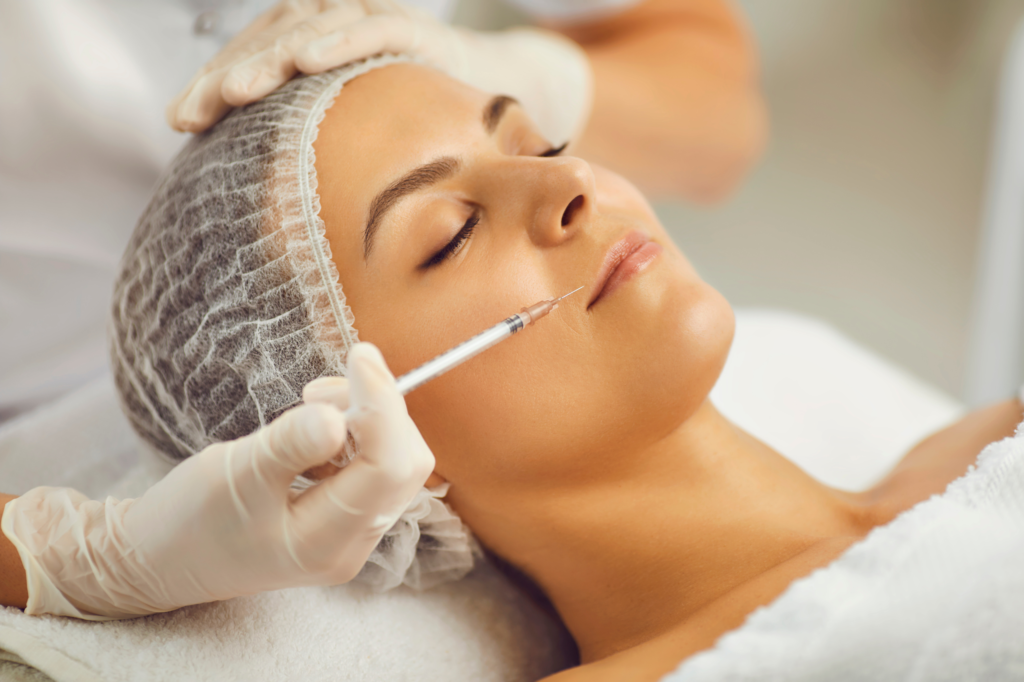
Botox for Frown Lines in Varanasi and More Ways to Reduce Them

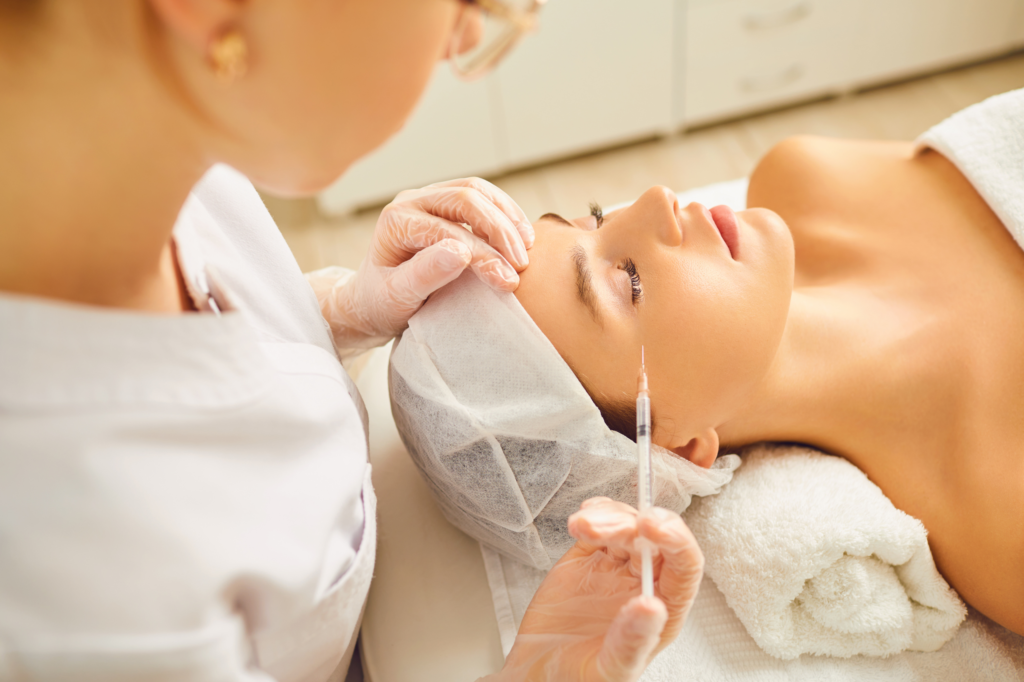
Botox for Frown Lines and More Ways to Reduce Them Botox for Frown Lines in Varanasi and More Ways to Reduce Them Frown lines, also known as glabellar lines, are the vertical wrinkles that appear between the eyebrows due to repeated facial expressions, aging, and loss of skin elasticity. If these lines make you look tired, stressed, or older than you feel, Botox is one of the most effective treatments to smooth them out. At Skin Savvy, Varanasi, under the expert care of Dr. Garima, you can achieve a youthful and refreshed appearance with Botox for frown lines and explore additional methods to keep your skin smooth and wrinkle-free. What is Botox and How Does It Work for Frown Lines? Botox is a purified form of botulinum toxin that temporarily relaxes the muscles responsible for frown lines. By preventing excessive muscle movement, Botox softens the wrinkles and prevents them from deepening over time. Quick and Painless Procedure: The treatment involves a few small injections and takes only about 10-15 minutes. Results in a Few Days: Noticeable improvement appears within 3-7 days, with optimal results in about two weeks. Long-Lasting Effects: The effects last for 3-6 months, after which a touch-up can maintain the smooth appearance. Non-Surgical and Safe: A minimally invasive procedure with no downtime, allowing you to resume daily activities immediately. Other Ways to Reduce Frown Lines While Botox is the gold standard for treating frown lines, there are additional ways to prevent and reduce their appearance. 1. Medical-Grade Skincare Using the right skincare products can help improve skin texture and elasticity: Retinol and Peptides: Promote collagen production and skin renewal. Hyaluronic Acid: Provides deep hydration to plump the skin and reduce fine lines. Vitamin C: Fights oxidative stress and enhances skin radiance. 2. Facial Exercises & Massage Practicing facial exercises strengthens muscles and reduces wrinkle formation. Gentle facial massage can also improve blood circulation and promote a natural glow. 3. Hydration & Healthy Diet Drink plenty of water to keep your skin hydrated and supple. Eat foods rich in omega-3 fatty acids, antioxidants, and vitamins to support healthy skin. Reduce sugar and processed foods, which can accelerate skin aging. 4. Sun Protection UV exposure is a major contributor to premature aging and frown lines. Always apply a broad-spectrum SPF 30+ sunscreen, wear sunglasses, and avoid prolonged sun exposure. 5. Stress Management Chronic stress leads to repetitive frowning and tension in facial muscles. Practice meditation, yoga, and deep breathing exercises to reduce stress and keep facial muscles relaxed. Why Choose Skin Savvy & Dr. Garima for Botox in Varanasi? Expert Injector: Dr. Garima has extensive experience in aesthetic treatments and ensures natural-looking results. Customized Approach: Each treatment is tailored to your facial structure and desired outcome. Safe & Advanced Procedures: Skin Savvy follows the highest standards for safety and effectiveness. Book Your Botox Consultation Today! Say goodbye to frown lines and hello to a refreshed, youthful look! If you’re in Varanasi and looking for the best Botox treatment, visit Skin Savvy and consult Dr. Garima today. For more information please connect with us: Hospital’s Name: Skin Savvy by Dr Garima VaranasiAddress: Malviya kunj, SHARABH HOSPITAL, B31/13 D-P, Saket Nagar Colony, Lanka, Varanasi, Uttar Pradesh 221005Contact Number: +91-8808872742Email Id: contact@skinsavvybydrgarima.comWorking Days & Hours: Mon – Sat(11am–7 pm)  ,                                  Sunday(12pm–4 pm) Call Now Or WhatsApp
Skincare Treatment

Cosmelan Peel in Varanasi

Cosmelan Peel in Varanasi Cosmelan Peel in Varanasi: The Ultimate Solution for Pigmentation by Dr. Garima at Skin Savvy If you’re struggling with stubborn pigmentation, melasma, or uneven skin tone, the Cosmelan Peel is a revolutionary treatment that can help you achieve flawless skin. At Skin Savvy, Varanasi, under the expert guidance of Dr. Garima, you can experience this highly effective depigmentation treatment that has transformed the skin of thousands worldwide. What is a Cosmelan Peel? The Cosmelan Peel is a professional depigmentation treatment designed to target and reduce dark spots, melasma, acne scars, and sun-induced pigmentation. It works by inhibiting the production of melanin, the pigment responsible for dark spots, and promoting a brighter, even-toned complexion. Unlike other peels, Cosmelan is known for its ability to treat stubborn pigmentation issues while being suitable for all skin types. Benefits of Cosmelan Peel Reduces Hyperpigmentation: Effectively fades dark spots, sun damage, and melasma. Evens Skin Tone: Provides a uniform and radiant complexion. Minimizes Acne Scars: Helps lighten post-inflammatory hyperpigmentation caused by acne. Boosts Collagen Production: Improves skin texture and elasticity. Non-Invasive & Safe: Suitable for most skin types with minimal downtime. The Cosmelan Treatment Process at Skin Savvy At Skin Savvy, Varanasi, Dr. Garima ensures a personalized approach to your Cosmelan Peel treatment. Here’s what you can expect: Consultation: A detailed skin analysis to assess your concerns and suitability for the peel. Application of Cosmelan Mask: A professional-strength mask is applied in the clinic, which stays on for a few hours. At-Home Care: After a specific duration, you wash off the mask at home and begin a prescribed skincare regimen. Recovery & Results: Some peeling and redness may occur initially, but within weeks, you will notice a visible reduction in pigmentation and an overall glow. Why Choose Skin Savvy & Dr. Garima for Your Cosmelan Peel in Varanasi? Expertise & Experience: Dr. Garima is a trusted skincare specialist with years of experience in treating pigmentation issues. Personalized Care: Every treatment plan is customized according to your skin type and concerns. Advanced Skincare Solutions: Skin Savvy uses the latest technology and medical-grade treatments to ensure the best results.   Say goodbye to stubborn pigmentation and hello to radiant skin! If you’re in Varanasi and looking for the best Cosmelan Peel treatment, visit Skin Savvy and consult Dr. Garima today. For more information please connect with us: Hospital’s Name: Skin Savvy by Dr Garima VaranasiAddress: Malviya kunj, SHARABH HOSPITAL, B31/13 D-P, Saket Nagar Colony, Lanka, Varanasi, Uttar Pradesh 221005Contact Number: +91-8808872742Email Id: contact@skinsavvybydrgarima.comWorking Days & Hours: Mon – Sat(11am–7 pm)  ,                                  Sunday(12pm–4 pm) Call Now Or WhatsApp
Skincare Treatment

Skincare Precautions to Take Before Holi

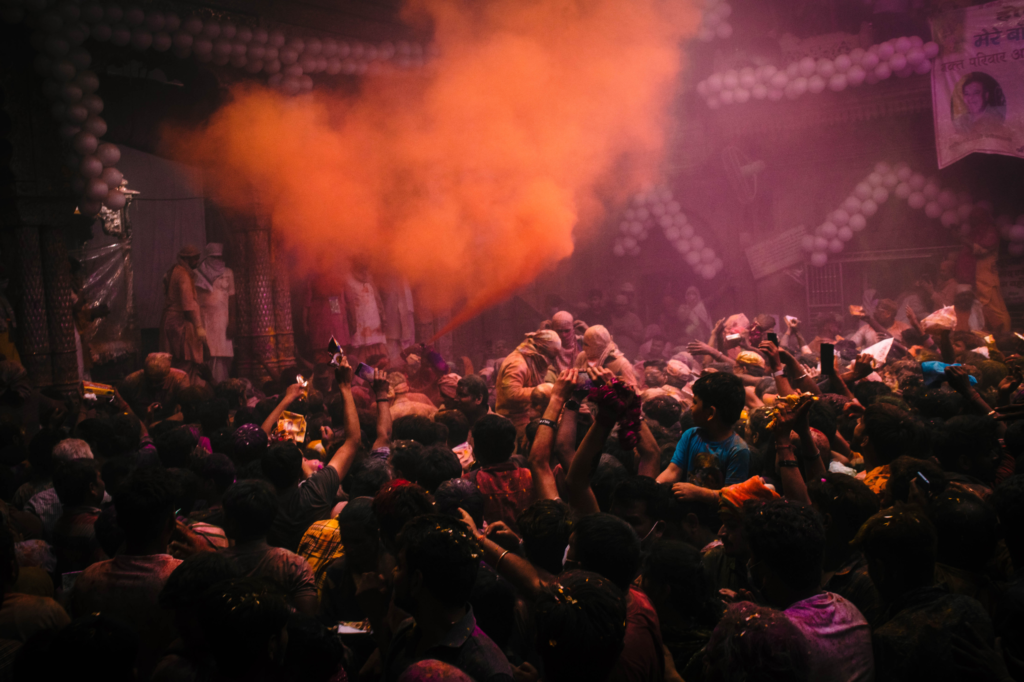
Skincare Precautions to Take Before Holi Holi, the festival of colors, is a time for joy, celebration, and vibrant hues. However, the synthetic colors used during Holi can often be harsh on the skin, leading to irritation, allergies, and dryness. To ensure that your skin remains healthy and glowing even after the festivities, here are some essential skincare precautions to take before playing Holi. Skincare Precautions Before Holi 1. Prepare Your Skin in Advance A week before Holi, start applying a hydrating moisturizer daily to strengthen your skin barrier. Well-nourished skin is less likely to absorb harmful colors. Exfoliate your skin gently 2-3 days before Holi to remove dead skin cells. Avoid doing this right before Holi to prevent sensitivity. Avoid any cosmetic procedures such as waxing, threading, or chemical peels, as they can make the skin more prone to irritation.   2. Moisturize and Protect Your Skin Before stepping out to play Holi, apply a generous amount of moisturizer or natural oils like coconut or almond oil all over your body. This creates a protective layer that prevents colors from penetrating deep into the skin and makes them easier to wash off later. Focus on areas prone to dryness, such as elbows, knees, and hands, as these areas tend to absorb more color. A thick layer of oil also helps in reducing irritation from harsh chemicals present in synthetic colors. Additionally, apply a waterproof sunscreen with SPF 30 or higher at least 30 minutes before heading out. This shields your skin from harmful UV rays, preventing sunburns and tanning, as Holi is usually played outdoors in broad daylight. Reapply sunscreen every few hours if you plan to stay out for long. 3. Prepare Your Face and Lips Your face is the most exposed part of your body, making it highly susceptible to damage from Holi colors. Before playing, cleanse your face thoroughly and apply a lightweight, waterproof foundation or BB cream. This forms a thin protective barrier that prevents colors from seeping into your skin. If you prefer to go makeup-free, a layer of aloe vera gel can work as a natural shield, providing hydration and soothing any potential irritation. Lips are equally delicate and prone to cracking when exposed to dry Holi colors. Apply a thick layer of petroleum jelly or a high-moisture lip balm to keep them hydrated and prevent staining. This simple step will make it easier to wipe off colors later without excessive scrubbing, which can damage the sensitive skin of the lips. 4. Take Care of Your Hair and Nails The harsh chemicals in synthetic Holi colors can leave your hair dry, brittle, and prone to breakage. To prevent this, apply a generous amount of coconut, olive, or almond oil to your scalp and hair. Oiling your hair not only creates a protective layer but also makes it easier to rinse out colors later. Tying your hair into a bun or braid further reduces exposure and minimizes tangling. Nails are another area where colors tend to settle in, leaving behind stubborn stains. Trim your nails short before Holi and apply a clear coat of nail polish to create a barrier against the colors. Additionally, rubbing a little petroleum jelly or oil around your cuticles prevents color from seeping into the skin around your nails, making cleanup much easier. 5. Wear Protective Clothing What you wear can play a significant role in protecting your skin from colors. Opt for full-sleeved tops and long bottoms to cover as much skin as possible, minimizing direct exposure to colors. Loose, breathable cotton clothing is ideal as it absorbs excess color and is comfortable for long hours of celebration.   To safeguard your eyes, wear sunglasses or protective eyewear. Holi colors can sometimes cause eye irritation, redness, or even infections if they get into the eyes. A simple pair of sunglasses can prevent unnecessary discomfort and keep your vision clear throughout the celebrations.   6. Hydrate and Maintain Post-Holi Care Drinking plenty of water before and during Holi keeps your skin hydrated, reducing dryness and irritation caused by synthetic colors. Dehydrated skin is more susceptible to damage, so ensure you drink enough fluids to maintain a natural glow even after Holi. After Holi, avoid scrubbing your skin aggressively to remove colors. Use mild cleansers, moisturizing soaps, and warm water to gently cleanse your skin. Follow up with a soothing aloe vera gel or a hydrating lotion to help restore moisture. If any irritation or redness occurs, apply a calming pack made of curd, honey, and turmeric or simply use cold milk to soothe the skin.   By following these detailed skincare precautions, you can enjoy a safe and fun-filled Holi without worrying about skin damage. Play responsibly, take care of your skin, and celebrate the festival of colors with confidence! Happy Holi! For more information please connect with us: Hospital’s Name: Skin Savvy by Dr Garima VaranasiAddress: Malviya kunj, SHARABH HOSPITAL, B31/13 D-P, Saket Nagar Colony, Lanka, Varanasi, Uttar Pradesh 221005Contact Number: +91-8808872742Email Id: contact@skinsavvybydrgarima.comWorking Days & Hours: Mon – Sat(11am–7 pm)  ,                                  Sunday(12pm–4 pm) Call Now Or WhatsApp
Skincare Treatment

Are Acne Scars Permanent? – Top Dermat in Varanasi

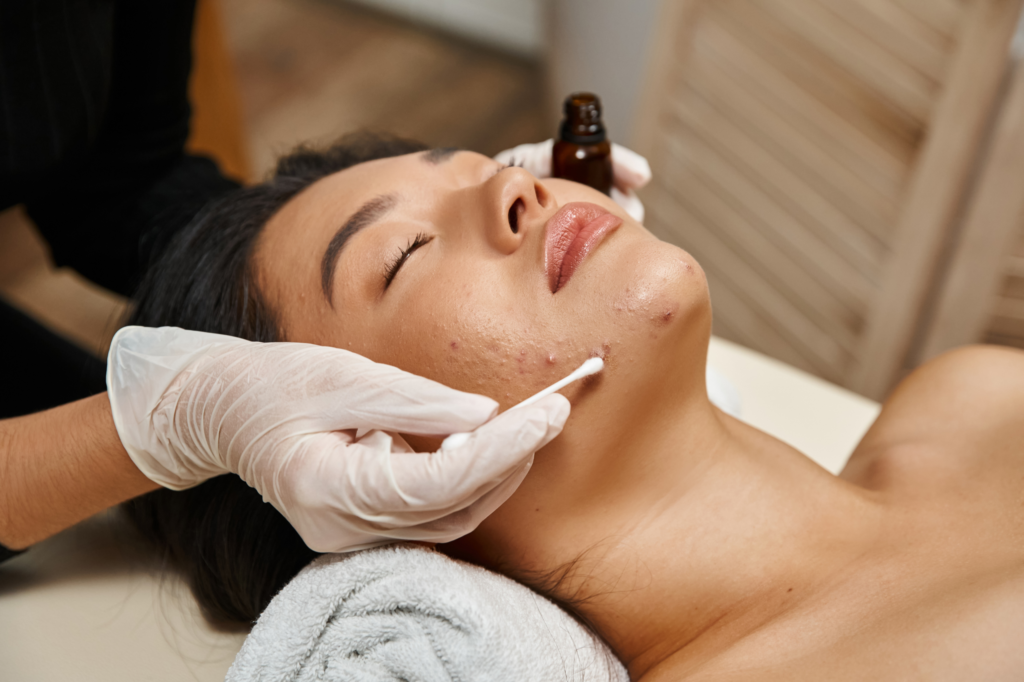
Are Acne Scars Permanent Acne is a common skin condition that affects people of all ages, especially teenagers and young adults. While acne itself can be frustrating, the scars it leaves behind often cause even more distress. These scars can affect self-esteem and make individuals feel self-conscious. One of the most frequent questions people ask when dealing with acne scars is, “Are acne scars permanent?” Understanding the nature of acne scars, their causes, and the various treatment options available is crucial in addressing this concern. What Causes Acne Scars? Acne scars are a result of the inflammation caused by acne lesions such as pimples, cysts, or nodules. When the skin becomes inflamed due to clogged pores, bacteria, or excess oil, it can lead to the destruction of skin tissue. The body tries to heal the damage by producing collagen, but sometimes the collagen production is either excessive or insufficient, leading to scars. These scars can appear as raised bumps (hypertrophic scars), sunken depressions (atrophic scars), or a combination of both. Are Acne Scars Permanent? The short answer is that acne scars can be permanent, but they don’t have to be. The permanence of acne scars depends on several factors, such as the severity of the acne, the depth of the scarring, and how early and effectively the scars are treated. While it’s true that some scars, especially deep ones, may never completely disappear, there are several treatments available to minimize their appearance significantly. Types of Acne Scars Understanding the different types of acne scars is essential for determining the best course of treatment. There are mainly three types of acne scars: Atrophic Scars (Depressed Scars): These are the most common type of acne scars. They appear as depressed or sunken areas in the skin. Atrophic scars are caused by a loss of tissue and collagen, and they can vary in severity. Examples of atrophic scars include: Ice Pick Scars: Narrow, deep scars that look like small punctures. Boxcar Scars: Wide, angular scars with sharp edges. Rolling Scars: Scars that create an undulating, wavy texture. Hypertrophic Scars (Raised Scars): These scars are raised above the skin’s surface and are the result of excess collagen production during the healing process. Hypertrophic scars are less common than atrophic scars and tend to appear as firm, red, or purple areas on the skin. Keloid Scars: Keloid scars are a more extreme form of hypertrophic scars. They grow beyond the boundary of the original acne lesion and can be larger, raised, and discolored. How to Treat Acne Scars in Varanasi Acne scars may seem like a permanent issue, but there are several treatment options available that can dramatically improve the appearance of scars. Consulting a dermatologist in Varanasi is the first step toward finding a solution that works best for your skin type and scar severity. Here are some of the most common treatments for acne scars: Topical Treatments Retinoids: Retinoid creams help stimulate collagen production and speed up the skin’s healing process, making them an effective solution for both preventing and treating acne scars. Vitamin C: Known for its brightening properties, Vitamin C can help fade hyperpigmented scars (dark spots) and even out skin tone. Alpha Hydroxy Acids (AHAs): AHAs help exfoliate the skin, removing dead skin cells and promoting the production of new skin. Chemical Peels A chemical peel involves applying a solution to the skin that causes the outer layers of the skin to peel away, revealing fresher, more youthful skin underneath. This treatment can help reduce the appearance of both superficial and deep acne scars. Chemical peels are usually administered by dermatologists and are tailored to the severity of the scars. Microneedling Microneedling, also known as collagen induction therapy, involves tiny needles that puncture the skin, triggering the body’s natural healing process. This treatment promotes the production of collagen and can help smooth out the surface of the skin, reducing the appearance of scars. Microneedling is effective for both atrophic and hypertrophic scars. Laser Treatments Laser treatments have become increasingly popular for treating acne scars. There are several types of laser treatments, including: Fractional Laser: This type of laser targets the skin in fractions, leaving surrounding tissue intact to speed up healing. CO2 Laser: This deep-penetrating laser can resurface the skin, smoothing out uneven areas caused by scars. Pulsed Dye Laser (PDL): This laser is useful for treating redness and discoloration caused by acne scars. Dermal Fillers For deeper scars, dermal fillers can be injected into the skin to help restore lost volume and smooth out the surface. The effects are temporary but can significantly improve the appearance of depressed scars. Fillers are ideal for rolling scars and other deep atrophic scars. Subcision Subcision is a minor surgical procedure in which a needle is inserted under the skin to break up the fibrous tissue causing a depressed scar. The procedure can help raise the skin and smooth out the surface. Subcision is particularly effective for deep ice pick scars and boxcar scars. Punch Excision For severe scars, a dermatologist may recommend punch excision. This method involves cutting out the scar tissue and stitching the surrounding skin together. This technique works well for ice pick scars. Preventing Acne Scars While acne scars can be difficult to avoid entirely, there are steps you can take to reduce your risk: Don’t pick or squeeze pimples: Picking at acne can cause further damage to the skin and increase the likelihood of scarring. Treat acne early: The sooner you start treating your acne, the less likely it is to leave permanent scars. Use over-the-counter or prescription medications as directed by a dermatologist. Use sunscreen: Sun exposure can darken acne scars, making them more noticeable. Applying sunscreen regularly can prevent this from happening and help your skin heal faster. For more information please connect with us: Hospital’s Name: Skin Savvy by Dr Garima VaranasiAddress: Malviya kunj, SHARABH HOSPITAL, B31/13 D-P, Saket Nagar Colony, Lanka, Varanasi, Uttar Pradesh 221005Contact Number: +91-8808872742Email Id: contact@skinsavvybydrgarima.comWorking Days & Hours: Mon

Skincare Treatment

Are Acne Scars Permanent? – Top Dermat in Varanasi

Acne scars treatment Varanasi Acne scars can be a source of frustration and emotional distress for many individuals. After acne clears up, the scars often linger, causing some people to wonder if these marks are permanent. If you’re struggling with acne scars, especially in a city like Varanasi, you might be seeking professional help. In this post, we’ll explore whether acne scars are permanent and highlight the best acne scar treatments available in Varanasi. Understanding Acne Scars: What Causes Them? Acne scars form when the skin is deeply affected by inflammation. This usually happens when a pimple or cyst is severe, causing the tissue under the skin to rupture. The healing process then leaves scars behind, which can appear as dark spots, deep indentations, or raised areas on the skin. There are two types of acne scars: Atrophic scars: These are depressions or indentations in the skin. The most common form is ice pick scars, which are narrow and deep, or boxcar scars, which are wider and have sharper edges. Hypertrophic scars: These are raised scars that form due to an excess of collagen produced during the healing process. While acne can be controlled with the right treatment, scars often remain long after the acne has cleared. The question on many people’s minds is whether these scars are permanent. Are Acne Scars Permanent? The simple answer is: not necessarily. Acne scars can be permanent, but many treatments can reduce their appearance or even remove them entirely. Factors such as the type of scar, its severity, your skin type, and the age of the scar play a significant role in determining whether it can be treated successfully. 1. Fresh Acne Scars: If your acne scars are new (within a few months), there’s a good chance they will fade over time. The skin has a natural healing process, and the scars can lighten with the right skincare routine and treatments. 2. Older Acne Scars: For older scars, treatments like chemical peels, laser therapy, microneedling, or dermal fillers can be effective. These treatments help stimulate collagen production and skin regeneration, which can significantly improve the appearance of scars. Acne Scar Treatment Options in Varanasi If you’re seeking acne scar treatment in Varanasi, there are several advanced options available. Many of these treatments are offered by top dermatologists who specialize in acne management and scar healing. Chemical Peels: This treatment involves applying a chemical solution to the skin, which removes the outer layer, allowing healthier skin to emerge. Chemical peels can reduce hyperpigmentation and even out skin texture, making them a good option for treating acne scars. Laser Skin Resurfacing: Laser treatments use focused light to penetrate the skin, stimulating collagen production and improving skin texture. Fractional CO2 lasers are particularly effective for deep acne scars and can significantly reduce the appearance of both hypertrophic and atrophic scars. Microneedling: This procedure involves tiny needles that create micro-injuries in the skin, encouraging collagen production and helping to repair damaged skin. It’s a minimally invasive treatment with minimal downtime, making it an attractive option for many. Dermal Fillers: In cases of deep atrophic scars, dermal fillers can be injected into the skin to plump up the indentations, giving the skin a smoother and more even appearance. The effects are temporary but can last for several months. Platelet-Rich Plasma (PRP) Therapy: PRP therapy involves drawing your blood, processing it to extract platelets, and injecting the plasma back into your skin to accelerate healing and rejuvenate tissue. It’s known for its ability to stimulate collagen production and promote skin healing. Choosing the Best Dermatologist in Varanasi for Acne Scar Treatment When seeking treatment for acne scars, it’s crucial to consult a qualified dermatologist. The best dermatologists in Varanasi are well-versed in the latest acne scar treatment methods and can guide you in choosing the right option for your skin. What to look for in a dermatologist: Experience: Look for dermatologists who specialize in acne scar treatments. Their expertise can make a significant difference in your results. Reputation: Check reviews, before-and-after photos, and testimonials from patients. A good reputation is often a sign of reliable and effective treatment. Advanced Techniques: Make sure the dermatologist offers advanced treatments like lasers, microneedling, or chemical peels. How to Prevent Acne Scarring in the Future While it may not always be possible to avoid acne scars entirely, there are steps you can take to reduce the likelihood of scarring: Avoid picking or squeezing acne: This can lead to deeper skin damage and increases the risk of scarring. Use non-comedogenic products: These products won’t clog your pores and can help prevent future breakouts. Follow a skincare routine: Proper cleansing, exfoliating, and moisturizing can promote healthy skin and prevent acne. For more information please connect with us: Hospital’s Name: Skin Savvy by Dr Garima VaranasiAddress: Malviya kunj, SHARABH HOSPITAL, B31/13 D-P, Saket Nagar Colony, Lanka, Varanasi, Uttar Pradesh 221005Contact Number: +91-8808872742Email Id: contact@skinsavvybydrgarima.comWorking Days & Hours: Mon – Sat(11am–7 pm)  ,                                  Sunday(12pm–4 pm) Call Now Or WhatsApp
Scroll to Top