Skin Savvy Clinic by Dr Garima

Skincare Treatment

Skincare Treatment

Acne Scar Treatments That Show Best Results in Winter

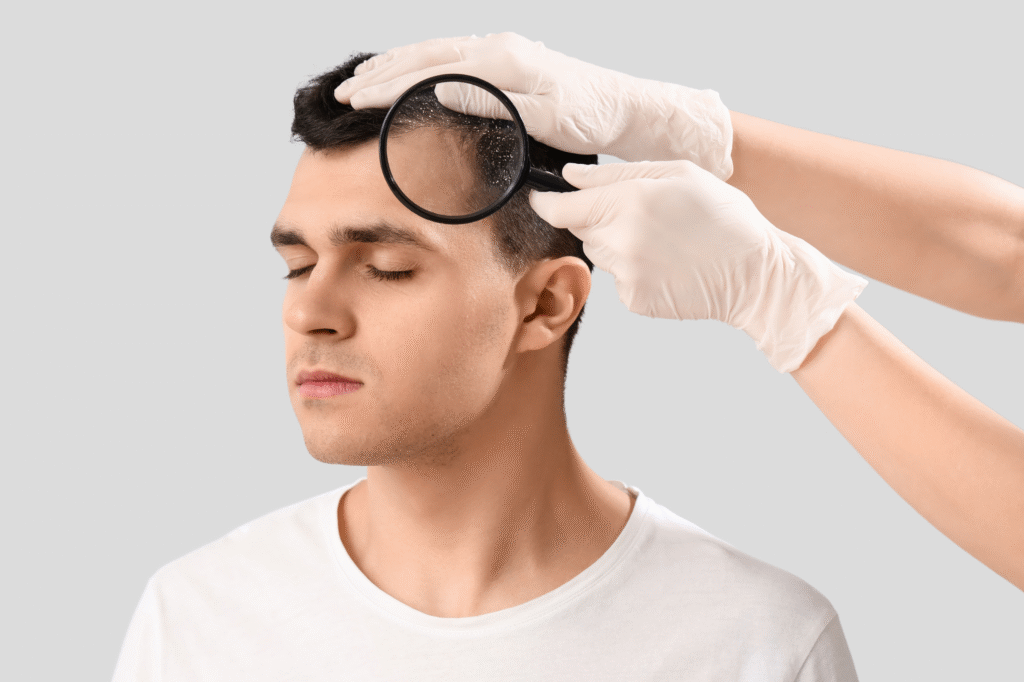
Acne Scar Treatments That Show Best Results in Winter Acne can be frustrating — but for many people, the scars it leaves behind feel even harder to deal with. At Skin Savvy, acne scar treatment is one of the most common concerns patients consult us for. While acne scars can be treated throughout the year, winter is one of the best seasons for scar correction. The cold weather, reduced sunlight, and calmer skin atmosphere create the ideal environment for healing and regeneration. Here’s a dermatologist-approved guide to why winter is the right time to treat acne scars — and which treatments work best. Why Winter Is Ideal for Acne Scar Treatments 1. Reduced Sun Exposure Procedures like lasers, microneedling, and peels make your skin more sensitive to UV rays.Winter means: Shorter days Lower UV intensity Less time outdoors This significantly reduces the risk of post-procedure pigmentation and yields cleaner, more even-toned results. 2. Cooler Weather Helps Healing After scar treatments, mild redness, peeling, or swelling is normal.Winter’s cooler climate helps: Reduce inflammation Calm irritation Speed up recovery You heal faster — and more comfortably. 3. Time to Transform Before Summer Many scar treatments require multiple sessions.Starting in winter means your skin improves gradually and looks dramatically better by spring or summer. Acne Scar Treatments That Work Best in Winter Here are the dermatologist-recommended procedures we perform at Skin Savvy Clinic for acne scar removal:   1. Microneedling / Dermapen Therapy Microneedling creates controlled micro-channels in the skin, stimulating collagen regeneration — the key to scar improvement. 🔸 Ideal For: Box scars Rolling scars Uneven texture Enlarged pores 🔸 Why It’s Great in Winter: The dark, sunny summers increase the chance of pigmentation; winter reduces that risk and gives smoother healing.   2. PRP + Microneedling Also called Vampire Facial, PRP enhances microneedling results using your own growth factors. 🔸 Benefits: Boosts collagen Accelerates healing Better scar remodeling A powerful combination — especially when skin is calmer in winter.   3. Fractional CO₂ Laser One of the most effective treatments for deep acne scars, the CO₂ laser resurfaces skin by creating micro-injuries that stimulate collagen and tightening. 🔸 Best For: Deep boxcars Atrophic scars Textural irregularities 🔸 Why Winter Works: Laser makes skin sensitive — winter’s lower UV levels allow safer recovery and reduce pigmentation risk.   4. Chemical Peels Medical-grade peels help shed surface damage and light scars while stimulating new skin formation. 🔸 Types we use: Salicylic Glycolic TCA Lactic peels 🔸 Benefits: Lightens superficial scars Smooths roughness Brightens tone Helps fade old marks Winter is the best time since post-peel sun sensitivity is easier to manage.   This is a minimally invasive technique used for deep tethered scars that pull the skin inward.A tiny needle releases the fibrous bands beneath the scar, allowing the skin to lift and heal naturally. Often paired with: PRP Fillers Microneedling   6. Dermal Fillers (For Ice Pick / Deep Depressed Scars) Fillers help lift depressed scars, giving instant improvement while collagen continues rebuilding underneath. This treatment works excellently in winter since skin is calmer post-filler adjustment.   7. TCA CROSS Technique A targeted high-concentration TCA acid technique used to treat: Ice pick scars Deep box scars This treatment requires sun protection — winter makes aftercare much more manageable. Winter Aftercare for Best Results At Skin Savvy, we always emphasize aftercare as much as treatment.Post-treatment care includes: ✔ Avoiding sun exposure for at least 48–72 hours✔ Applying a broad-spectrum SPF daily✔ Using moisturizer 2–3 times a day✔ Avoiding hot water, sauna, or scrubbing✔ Hydrating well This ensures faster healing and better long-term improvement. Why Choose Skin Savvy for Acne Scar Treatment? Every acne scar is unique — so treatment must be personalized.At Skin Savvy, we follow a scientific assessment approach that includes: Dermatoscope evaluation Skin type analysis Scar depth classification We then design a custom protocol, often combining multiple treatments for optimized results. Our expertise + modern technology =✔ Safer healing✔ Better scar remodeling✔ Natural-looking smoothness Conclusion Winter isn’t just a cozy season — it’s an opportunity for skin transformation.With reduced sun exposure, better healing conditions, and the right treatments, acne scars respond beautifully this time of year. If you’ve been delaying scar correction, this winter is your chance. 📍 Visit Skin Savvy Clinic, VaranasiLet our dermatology team help you achieve smoother, clearer skin — confidently and safely. For more information please connect with us: Hospital’s Name: Skin Savvy by Dr Garima VaranasiAddress: Malviya kunj, SHARABH HOSPITAL, B31/13 D-P, Saket Nagar Colony, Lanka, Varanasi, Uttar Pradesh 221005Contact Number: +91-8808872742Email Id: contact@skinsavvybydrgarima.comWorking Days & Hours: Mon – Sat(11am–7 pm)  ,                                  Sunday(12pm–4 pm) Call Now Or WhatsApp

Skincare Treatment

Why Your Skin Feels So Dry in Winter – and How to Fix It

Why Your Skin Feels So Dry in Winter – and How to Fix It Winter is the season when skin concerns rise sharply — and dryness tops the list. At Skin Savvy Clinic, we see a noticeable increase in patients complaining of flakiness, tightness, itching, and rough patches the moment temperatures begin to drop. But why does this happen every winter, even if you’re using moisturizers? The answer lies in a combination of science, climate, and habits. Here is a complete, dermatologist-backed understanding of winter dryness — and how we fix it at Skin Savvy. Why Your Skin Becomes Dry in Winter 1. Low Humidity Levels The cold winter air holds far less moisture compared to summer.Low humidity → moisture evaporates from your skin → dryness, tightness, and roughness.This process is called transepidermal water loss, and it increases significantly during winter. 2. Hot Showers & Room Heaters Hot showers feel comforting, but they strip away your skin’s natural oils.Room heaters also reduce indoor humidity.Combined, these lead to: Dull skin Rough texture Flaky patches This is one of the primary reasons your skin suddenly feels dehydrated in peak winter. 3. Weakened Skin Barrier Cold winds + dry air = weakened lipid barrier.Without this protective layer, the skin loses moisture faster and becomes more prone to irritation and redness.A damaged barrier also allows allergens and bacteria to enter more easily. 4. Reduced Oil Production Sebaceous glands naturally produce less oil in winter.Less oil means less protection and fewer natural moisturizers for the skin — leading to more dryness. 5. Over-Exfoliation or Wrong Skincare Many people unknowingly continue using: Harsh cleansers High-strength retinoids Too many exfoliating acids These irritate winter skin further, worsening dryness and sensitivity. How We Treat Winter Dryness at Skin Savvy Clinic At Skin Savvy, our approach is clinical, customized, and holistic. Winter dryness is not treated with just a “moisturizer recommendation” — we evaluate your skin barrier, hydration levels, and current routine to build a personalized winter care plan. Here’s the dermatologist-approved winter fix: 1. Switch to a Moisture-Balancing Cleanser We recommend gentle, non-foaming cleansers that clean without stripping your skin.Ingredients we prefer: Glycerin Ceramides Hyaluronic acid Aloe vera A good cleanser sets the foundation for healthy winter skin. 2. Upgrade to a Barrier-Repair Moisturizer In winter, you need moisturizers that do more than just hydrate — they must repair the barrier. At Skin Savvy, we prescribe moisturizers containing: Ceramides Fatty acids Shea butter Squalane Urea (low strength) These restore the protective layer and lock in moisture for hours. 3. Sunscreen — Yes, Even in Winter UV rays remain active even on cloudy, foggy mornings.We emphasize using a broad-spectrum SPF 30 or higher daily, as UV exposure worsens dryness and pigmentation. Gel-based for oily skin, cream-based for dry skin. 4. Hydrating Serums for Deep Moisture To fight deep winter dehydration, we add serums like: Hyaluronic acid Vitamin B5 Niacinamide These attract water to the skin and improve its long-term hydration capacity. 5. Reduce Exfoliation & Retinol Strength Winter is not the season for strong actives — unless monitored by a dermatologist.We adjust or temporarily reduce: AHAs/BHAs Retinol Scrubs This prevents microtears and barrier damage. 6. In-Clinic Winter Hydration Treatments Skin Savvy offers advanced treatments that work beautifully in winter because the skin retains hydration better during the cold months. Hydrafacial for Deep Hydration Cleans, exfoliates, infuses hydrating serums, and restores glow instantly. Chemical Peels (Hydrating Peels) Gentle peels like lactic acid or enzyme-based peels remove dullness and boost moisture. Mesotherapy / Skin Boosters Injectable hydrating treatments using hyaluronic acid that deeply nourish dehydrated skin. PRP for Winter Rejuvenation Boosts collagen and improves texture and hydration naturally. These are especially effective when winter dullness hits hard. 7. Hydrate Internally Most people drink less water in winter.At Skin Savvy, we remind patients to: Drink at least 7–8 glasses of water daily Add hydrating foods (oranges, cucumbers, coconut water) Use a humidifier indoors This simple change significantly improves skin dryness. Conclusion Dry winter skin isn’t just a seasonal inconvenience — it’s your skin asking for barrier support. A proper winter routine, supported by dermatologist-guided treatments, can keep your skin soft, hydrated, and glowing all season long. If you’re struggling with dryness, flakiness, irritation, or winter eczema, visit Skin Savvy Clinic, Varanasi. Our team ensures your skin gets the exact care it needs, customized to your skin type, climate, and concerns. ✨ Healthy winter skin starts with expert care — and we’re here to help. For more information please connect with us: Hospital’s Name: Skin Savvy by Dr Garima VaranasiAddress: Malviya kunj, SHARABH HOSPITAL, B31/13 D-P, Saket Nagar Colony, Lanka, Varanasi, Uttar Pradesh 221005Contact Number: +91-8808872742Email Id: contact@skinsavvybydrgarima.comWorking Days & Hours: Mon – Sat(11am–7 pm)  ,                                  Sunday(12pm–4 pm) Call Now Or WhatsApp

Skincare Treatment

Microneedling in Winter – Boost Collagen While It’s Cold!

Microneedling in Winter – Boost Collagen While It’s Cold! Winter is the season of cozy evenings, hot drinks, and… collagen-boosting skin treatments! Yes, you read that right. Microneedling, one of the most popular skin rejuvenation treatments, works beautifully during winter — giving your skin the perfect chance to repair, renew, and glow. At Skin Savvy Clinic, I often recommend microneedling in the colder months because your skin is naturally less exposed to harsh sunlight, and recovery is smoother and faster. If you’ve been thinking about improving skin texture, fading acne scars or boosting radiance, winter is the ideal time to start. Let me explain why. Why Microneedling? A Quick Refresher Microneedling is a minimally invasive procedure where tiny, sterile needles create controlled micro-injuries on the skin. This stimulates your skin’s natural healing process and leads to: Increased collagen and elastin production Smoother, firmer skin Reduction in acne scars Improved texture and tone Minimized pores Brighter, more youthful-looking skin It’s safe, effective, and suitable for most skin types — especially Indian skin tones. Why Winter Is the BEST Time for Microneedling 1. Lower Sun Exposure = Safer Healing After microneedling, your skin becomes slightly sensitive because it is in repair mode. In winter, UV intensity is lower, and we naturally spend more time indoors, which reduces: Sunburn risk Post-inflammatory pigmentation Unwanted tanning This means clearer, more even-toned results. 2. Cooler Weather Calms the Skin Microneedling can cause mild redness or sensitivity for a day or two. Winter’s cool temperature: Reduces inflammation Shortens recovery time Prevents sweat-induced irritation Your skin stays calm and comfortable as it heals. 3. Perfect Timing for Summer-Ready Skin Microneedling results are progressive. Over weeks, your skin produces more collagen and elastin.Starting now means: Brighter, smoother skin by spring Better texture and tone before summer More confident makeup-free days Winter → treatmentSummer → results you’ll love! 4. Better Tolerance for Active Ingredients After microneedling, your skin becomes more receptive to serums and actives. Winter dryness actually helps your skincare routine become more effective — as long as you follow proper dermatologist-guided aftercare. At Skin Savvy, I often pair microneedling with: Hyaluronic acid (for hydration) Vitamin C (for brightening) PRP (for enhanced scar healing and glow) This multi-approach gives exceptional results during the winter season. What Skin Concerns Does Microneedling Treat? Microneedling is incredibly versatile. It helps with: Acne scars Enlarged pores Fine lines & early aging Stretch marks Sun damage Pigmentation Overall dullness Uneven texture Whether you’re looking for smoother skin or deeper rejuvenation, microneedling is a powerful solution. What to Expect During the Treatment At Skin Savvy, here’s how We typically perform a microneedling session: Consultation: I assess your skin type, concerns, and treatment goals. Cleansing & Numbing: A numbing cream is applied to ensure comfort. Microneedling: A medical-grade microneedling device gently creates microchannels across the skin. Serum Infusion: Potent serums (like hyaluronic acid or PRP) are applied for deep absorption. Aftercare: I guide you through personalized aftercare to ensure optimal results. You may experience mild redness, but it settles quickly — especially in winter. Winter Aftercare Tips for Best Results Use a gentle, hydrating cleanser Apply a rich moisturizer 2–3 times a day Avoid sun exposure for at least 48 hours Always use broad-spectrum SPF Skip exfoliants, retinol, and AHAs/BHAs for a few days Stay hydrated Following the right aftercare ensures your skin heals beautifully and the results last longer. Conclusion Microneedling is one of the most effective collagen-boosting treatments — and winter is the ideal time to undergo it. With minimal sun exposure, calmer skin, and better healing conditions, your skin responds beautifully to the treatment. At Skin Savvy Clinic, Varanasi, We tailor each session to your skin’s needs for safe, natural, and long-lasting results. If you’re looking to smooth scars, brighten your complexion, or achieve firmer, youthful skin, winter is the perfect season to begin. For more information please connect with us: Hospital’s Name: Skin Savvy by Dr Garima VaranasiAddress: Malviya kunj, SHARABH HOSPITAL, B31/13 D-P, Saket Nagar Colony, Lanka, Varanasi, Uttar Pradesh 221005Contact Number: +91-8808872742Email Id: contact@skinsavvybydrgarima.comWorking Days & Hours: Mon – Sat(11am–7 pm)  ,                                  Sunday(12pm–4 pm) Call Now Or WhatsApp

Skincare Treatment

How to Protect Your Hands and Feet from Cracking This Winter

How to Protect Your Hands and Feet from Cracking This Winter Winter brings cozy sweaters, warm drinks, and festivals — but also dry, cracked hands and feet, one of the most common concerns I see at Skin Savvy during the colder months. The skin on our hands and feet is naturally thicker, but it also has fewer oil glands, making it more vulnerable to winter dryness, roughness, and painful cracks. The good news? With the right care and a little consistency, you can keep your hands and feet soft, smooth, and healthy throughout winter. Here’s my complete dermatologist-approved guide to help you prevent and treat winter cracks effectively. Why Hands and Feet Crack in Winter Cold air + low humidity + frequent handwashing = extreme moisture loss.Here’s why winter hits them the hardest: Thin moisture barrier: Hands and feet have fewer oil glands → quick dryness. Exposure to cold wind: Hands are often uncovered and lose moisture rapidly. Hot showers: Strip natural oils and worsen dehydration. Walking barefoot: Hardens the skin, leading to cracks. Low hydration: Winter makes us drink less water. This damage builds up and causes tightness, roughness, peeling, and deep cracks that often burn or bleed. How to Protect Your Hands This Winter 1. Switch to a Gentle Handwash Avoid strong detergents or antibacterial soaps — they strip natural oils.Choose: Cream-based cleansers pH-balanced handwashes Ones containing glycerin or aloe vera Avoid: Dishwashing directly with bare hands (always use gloves!). 2. Moisturize After Every Wash This is the golden rule. Apply hand cream immediately after washing, when your skin is still slightly damp. Best ingredients to look for: Shea butter Ceramides Urea 5–10% Glycerin Petroleum jelly At night, apply a thick layer and wear cotton gloves to lock in moisture. 3. Use a Hand Cream with SPF During the Day Sun exposure can worsen dryness, tanning, and even pigmentation on hands.A lightweight SPF 30 hand cream protects your hands while keeping them soft. 4. Avoid Hot Water Hot water dries the skin faster than cold or lukewarm water.Stick to mild-temperature water for washing hands or bathing. How to Protect Your Feet This Winter 1. Exfoliate Gently, Once a Week Dead skin buildup on the heel can worsen cracks.Use: A gentle foot file Chemical exfoliants like lactic acid or urea creams (dermatologist-recommended) Never over-scrub — it makes cracks worse. 2. Choose a Rich Foot Cream Ingredients I recommend to my patients include: Urea 10–20% for rough skin Lactic acid for mild exfoliation Petroleum jelly for sealing moisture Ceramides for barrier repair Apply generously at night and wear socks to trap moisture. 3. Avoid Walking Barefoot Cold floors + friction = crack formation.Wear soft cotton socks indoors to keep your feet warm and protected. 4. Keep Feet Dry Moisture between the toes can cause fungal infections — common in winter due to closed footwear. After bathing:✔ Pat dry your feet✔ Apply cream only on the heels and soles❌ Avoid applying between the toes Hydration Matters—Inside and Out In winter we often forget to drink enough water. Dehydration shows up quickly on hands and feet.Aim for 7–8 glasses of water daily, and include hydrating foods like oranges, cucumbers, and coconut water. When to See a Dermatologist Visit Skin Savvy if you have: Cracks that bleed or are extremely painful Signs of infection (redness, swelling, pus) Persistent peeling despite moisturizers Eczema or psoriasis flare-ups Thickened heels not responding to creams We offer treatments such as: Medical-grade foot peels Prescription healing ointments Barrier-repair therapies Fungal infection treatment Customized winter skincare plans Early treatment prevents worsening and ensures faster healing. Conclusion Winter cracking of hands and feet is common but completely preventable. All it takes is the right cleansing, moisturization, and protection routine — backed by a little dermatologist guidance when needed. At Skin Savvy Clinic, Varanasi, I help patients restore soft, healthy skin even in the harshest winter months. If dry, cracked hands or heels are troubling you this season, book a consultation — your skin deserves expert care. Stay warm. Stay hydrated. Stay glowing this winter. For more information please connect with us: Hospital’s Name: Skin Savvy by Dr Garima VaranasiAddress: Malviya kunj, SHARABH HOSPITAL, B31/13 D-P, Saket Nagar Colony, Lanka, Varanasi, Uttar Pradesh 221005Contact Number: +91-8808872742Email Id: contact@skinsavvybydrgarima.comWorking Days & Hours: Mon – Sat(11am–7 pm)  ,                                  Sunday(12pm–4 pm) Call Now Or WhatsApp

Skincare Treatment

Best Skin Rejuvenation Treatments to Get This Winter

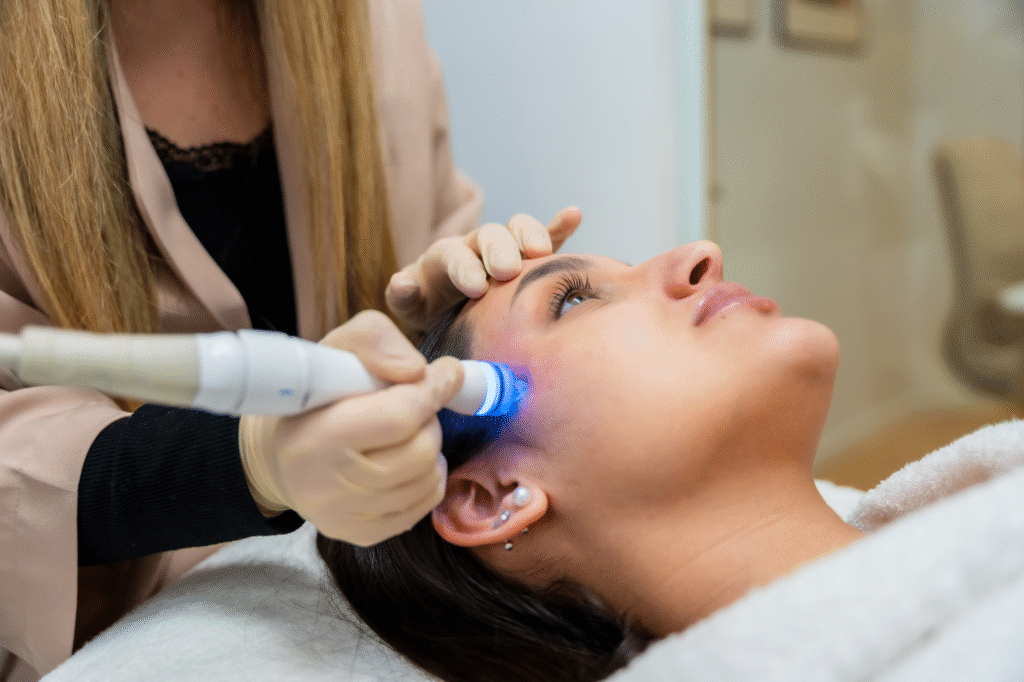
Best Skin Rejuvenation Treatments to Get This Winter Winter may bring cozy sweaters and hot chocolate, but it can also bring dry, dull, and tired-looking skin. The cold air, low humidity, and indoor heating often strip away the skin’s natural moisture, leaving it dehydrated and lackluster. That’s why winter is also the best time to rejuvenate your skin. With less sun exposure and cooler weather, your skin heals faster and responds beautifully to professional treatments. At Skin Savvy, we believe every season offers a chance to care for your skin — but winter is truly special. Here are some of the best skin rejuvenation treatments you can try this season to restore your glow and hydration from within. 1. Hydrafacial – Instant Glow, Zero Downtime If your skin feels dry, tight, or flaky during winter, a Hydrafacial is your best friend.This advanced facial deeply cleanses, exfoliates, extracts impurities, and infuses hydrating serums all in one go. ✨ Benefits: Boosts hydration instantly Brightens dull skin Improves texture and elasticity Safe for all skin types It’s a gentle yet powerful treatment that gives your skin that post-facial glow without redness or downtime — perfect for a quick winter refresh. 2. Chemical Peels – Shed the Dullness Winter is the ideal time for chemical peels, as the reduced sun exposure minimizes the risk of post-peel pigmentation.Chemical peels work by removing dead cells, improving cell turnover, and revealing fresh, healthy skin underneath. ✨ Benefits: Fades pigmentation and acne marks Smooths fine lines and rough texture Brightens overall complexion At Skin Savvy, we offer customized peels — from mild fruit-based peels to advanced medical-grade ones — tailored to your skin’s sensitivity and goals. 3. CO2 Laser Resurfacing – The Ultimate Rejuvenation If you want dramatic rejuvenation results, CO2 laser treatment is the gold standard.It targets deep layers of the skin to stimulate collagen production and repair damage caused by aging, sun, or acne scars. ✨ Benefits: Reduces wrinkles and fine lines Tightens sagging skin Improves texture and tone Minimizes scars and pores Winter is the perfect season to get this treatment because cooler weather and limited sun exposure help your skin heal faster and more comfortably. 4. Mesotherapy – Deep Skin Nutrition Mesotherapy involves microinjections of vitamins, antioxidants, and hyaluronic acid directly into the skin.It deeply nourishes your skin cells, boosts hydration, and restores your natural glow. ✨ Benefits: Deep moisturization Radiant, fresh-looking skin Reverses signs of fatigue Perfect for dry winter skin It’s a non-invasive, natural rejuvenation method that works wonderfully in cold weather when the skin needs extra nourishment. 5. PRP (Platelet-Rich Plasma) Therapy – Rejuvenate from Within Also known as the “vampire facial”, PRP uses your body’s own growth factors to repair and rejuvenate your skin.It promotes collagen synthesis and improves texture over time. ✨ Benefits: Reduces fine lines and wrinkles Improves skin tone and elasticity Minimizes scars and pores Boosts long-term skin health Since PRP can cause mild redness and peeling, winter’s gentle climate is ideal for recovery and optimal results. 6. Laser Toning – Even Skin Tone, Fewer Spots Winter is the safest season for laser toning, which targets pigmentation, sunspots, and uneven skin tone.It gently rejuvenates the skin without any harsh peeling or damage. ✨ Benefits: Brightens dull skin Reduces pigmentation and tanning Gives a smoother, even tone At Skin Savvy, we use advanced laser systems under expert supervision for safe, visible results with minimal downtime. 7. Medi-Facials – Relax & Repair Unlike traditional salon facials, medi-facials are performed under dermatological guidance using medical-grade products.They target specific skin concerns such as dehydration, dullness, and pigmentation. ✨ Benefits: Deeply hydrates dry skin Boosts collagen and elasticity Gives lasting glow Perfect as a monthly skincare ritual, medi-facials help your skin stay healthy, radiant, and winter-ready. Post-Treatment Care Tips for Winter To get the best out of your rejuvenation treatments, follow these dermatologist-approved aftercare steps:✅ Apply a broad-spectrum SPF daily (yes, even in winter!)✅ Keep your skin moisturized and hydrated✅ Avoid harsh scrubs or actives for a few days post-procedure✅ Drink plenty of water and include hydrating foods in your diet Conclusion Winter is more than just a season — it’s an opportunity to repair, restore, and rejuvenate your skin.With less sun exposure, calmer weather, and slower lifestyles, your skin has the perfect environment to heal and glow. Whether you want to address dryness, pigmentation, fine lines, or dullness, Skin Savvy offers safe, advanced, and dermatologist-approved rejuvenation treatments tailored just for you. ✨ Let this winter be your skin’s best season yet.Book your consultation with Dr. Garima Singh at Skin Savvy and discover a radiant, refreshed version of you. For more information please connect with us: Hospital’s Name: Skin Savvy by Dr Garima VaranasiAddress: Malviya kunj, SHARABH HOSPITAL, B31/13 D-P, Saket Nagar Colony, Lanka, Varanasi, Uttar Pradesh 221005Contact Number: +91-8808872742Email Id: contact@skinsavvybydrgarima.comWorking Days & Hours: Mon – Sat(11am–7 pm)  ,                                  Sunday(12pm–4 pm) Call Now Or WhatsApp

Skincare Treatment

Why Winter Is the Perfect Time for Laser Treatments

Why Winter Is the Perfect Time for Laser Treatments When it comes to achieving smooth, radiant, and youthful skin, timing matters just as much as treatment. While many people think of laser procedures as year-round solutions, dermatologists often recommend winter as the ideal season for most laser treatments. From laser hair removal to pigmentation correction and skin resurfacing, the cooler months create the perfect environment for skin healing, recovery, and transformation. Let’s understand why winter is the golden opportunity to start your laser journey. 1. Reduced Sun Exposure: The #1 Reason Winter Wins One of the biggest concerns post-laser treatment is sun exposure. Lasers work by creating controlled micro-injuries or targeting pigment, hair follicles, or blood vessels under the skin. This process temporarily makes the skin more photosensitive, meaning it can easily get irritated or develop pigmentation when exposed to UV rays. During summer, avoiding the sun completely is almost impossible, even with SPF. But in winter, days are shorter, UV intensity is lower, and we naturally spend more time indoors. This reduces the risk of: Post-inflammatory hyperpigmentation (PIH) Uneven skin tone Sunburn on newly treated skin In simple terms — less sunlight means safer, smoother results. 2. Easier Aftercare & Better Protection Laser aftercare is crucial to ensure flawless outcomes. After a session, dermatologists often recommend: Avoiding heat and sweat for 24–48 hours Applying sunscreen every 3–4 hours Keeping the treated area cool and moisturized In summer, following these instructions can be difficult due to humidity, heat, and frequent sweating.But winter provides naturally favorable conditions — cooler air, layered clothing, and fewer outdoor activities. You can easily protect treated areas with scarves or full sleeves, ensuring your skin heals without environmental stress. 3. Enhanced Comfort During Recovery Post-laser redness, flaking, or mild swelling are common — but they’re temporary signs that your skin is regenerating.In winter, these side effects are less bothersome because: Lower temperatures soothe the skin naturally The absence of humidity minimizes stickiness or irritation Cooler conditions help calm inflammation faster Moreover, since winter fashion includes hats, scarves, and full sleeves, any temporary redness or peeling is easy to cover up without worry. 4. Perfect Prep Time for a Summer-Ready Glow Most laser treatments — such as laser hair removal, pigmentation correction, acne scar reduction, or resurfacing — require multiple sessions spaced a few weeks apart.Starting your sessions in winter ensures that by the time spring or summer arrives, your skin will have fully healed and transformed. You’ll enjoy:✅ Reduced body hair before beach season✅ Faded pigmentation and sunspots✅ Smoother, more even-toned skin ready for makeup-free days Winter isn’t just for cozy sweaters — it’s for investing in your summer glow. 5. Ideal Conditions for All Skin Types Different skin types react differently to lasers. For example: Oily or acne-prone skin may experience breakouts post-treatment. Sensitive skin may develop redness or flakiness. Dry skin may feel tighter after resurfacing. Winter allows dermatologists to use precisely calibrated laser settings with minimal risk of post-treatment inflammation or sensitivity. Cooler weather helps the skin stay calm and balanced, making the healing phase shorter and smoother for everyone. 6. Flexible Scheduling and Consistency Laser treatments are most effective when sessions are regularly spaced — typically every 4–6 weeks.Winter is often a quieter season socially, making it easier to stay consistent with appointments. Unlike summer, when vacations and outdoor plans may interrupt your treatment cycle, winter offers a steady routine — and consistency is key to optimal results. 7. Boosts Skin Regeneration When It’s Needed Most Winter air tends to be dry and harsh, causing your skin to lose moisture and appear dull.Laser treatments stimulate collagen production, improving texture, tone, and elasticity.When combined with proper hydration and barrier repair, lasers help your skin: Shed damaged cells Regenerate faster Appear firmer and more radiant Essentially, you’re fighting winter dullness while rejuvenating your skin from within. 8. Post-Treatment Care: The Winter-Friendly Routine Even though winter is laser-friendly, your skin still needs careful maintenance post-treatment.Here’s a dermatologist-approved care plan: Do’s Apply a broad-spectrum SPF 30+ sunscreen daily (yes, even indoors) Use a gentle cleanser and hydrating moisturizer to soothe your skin Stay hydrated — drink at least 2–3 liters of water daily Follow all post-procedure instructions given by your dermatologist Don’ts Avoid hot showers, saunas, or steam rooms for 48 hours Don’t pick, peel, or exfoliate treated skin Skip chemical actives (like AHAs, BHAs, or retinoids) until cleared by your doctor Consistent care will amplify your results and protect your investment in your skin. Conclusion Winter is more than just a cozy season — it’s a strategic time for skin transformation.With reduced sun exposure, easier aftercare, and optimal healing conditions, your skin can recover beautifully after laser treatments. Whether you’re targeting unwanted hair, pigmentation, fine lines, or scars, starting your laser journey in winter ensures safe, effective, and long-lasting results. So, consult your dermatologist this season and take the first confident step toward clearer, smoother, and radiant skin — just in time to glow all summer long. For more information please connect with us: Hospital’s Name: Skin Savvy by Dr Garima VaranasiAddress: Malviya kunj, SHARABH HOSPITAL, B31/13 D-P, Saket Nagar Colony, Lanka, Varanasi, Uttar Pradesh 221005Contact Number: +91-8808872742Email Id: contact@skinsavvybydrgarima.comWorking Days & Hours: Mon – Sat(11am–7 pm)  ,                                  Sunday(12pm–4 pm) Call Now Or WhatsApp

Skincare Treatment

Dermatologist’s Guide to Winter Skincare Routine for All Skin Types

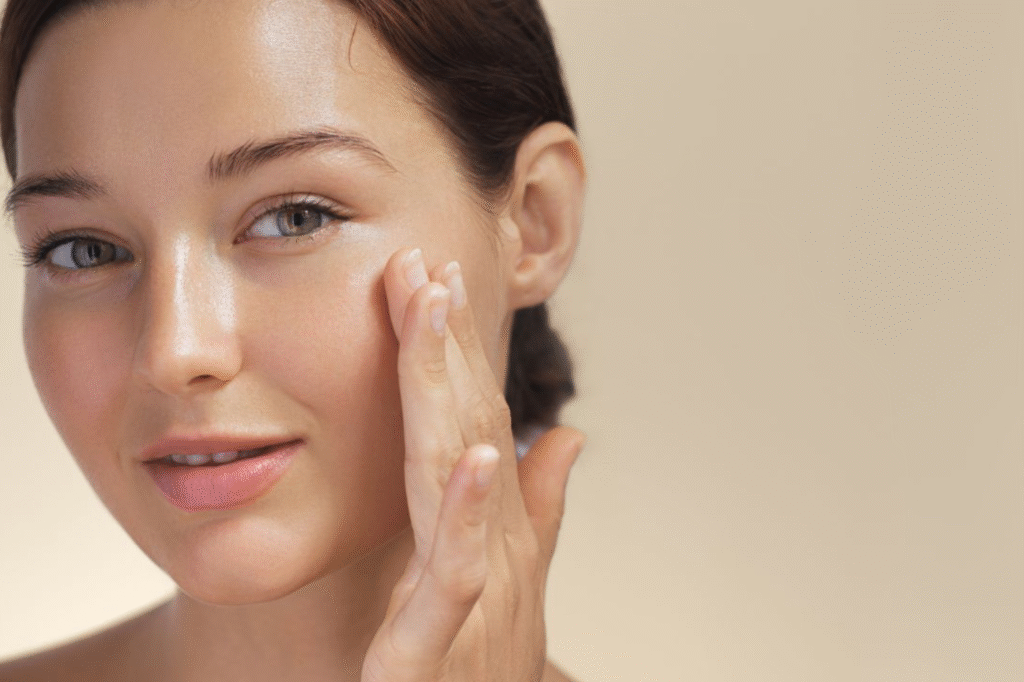
Dermatologist’s Guide to Winter Skincare Routine for All Skin Types As the temperature drops and the air becomes dry, your skin begins to feel the change almost instantly. Winter brings cozy sweaters and hot coffee — but also dryness, flakiness, and dullness. That’s why adjusting your skincare routine to suit the season is crucial. At Skin Savvy Clinic, Varanasi, we see many patients who struggle with winter-related skin concerns every year. Whether your skin is dry, oily, combination, or sensitive, here’s a dermatologist-approved guide to help you keep your skin healthy, hydrated, and glowing all season long. 1. Switch to a Gentle Cleanser During winter, harsh soaps or foaming cleansers can strip your skin’s natural oils, making it dry and itchy. Opt for creamy or hydrating cleansers that cleanse without over-drying. Look for ingredients like glycerin, ceramides, and hyaluronic acid — they help retain moisture. Avoid alcohol-based products, as they can worsen dryness. Pro Tip: If your skin feels tight after washing, it’s time to change your cleanser. 2. Moisturize Immediately After Washing Your moisturizer works best when applied on slightly damp skin — this locks in hydration. For dry skin, use thick, cream-based moisturizers with shea butter, ceramides, or squalane. For oily or acne-prone skin, choose a light, non-comedogenic gel moisturizer with niacinamide or panthenol. Combination skin can benefit from layering — a lightweight lotion during the day and a richer cream at night. At Skin Savvy, we recommend moisturizers based on your skin type and environmental needs, especially if you have conditions like eczema or rosacea. 3. Don’t Skip Sunscreen Many people assume sunscreen isn’t needed in winter — a big mistake!Even on cloudy days, UV rays can penetrate through clouds and windows, leading to premature aging and pigmentation. Use a broad-spectrum sunscreen (SPF 30 or higher) daily. Reapply every 2–3 hours if you’re outdoors. For oily skin, go for matte or gel-based sunscreens; for dry skin, choose moisturizing SPF formulas. Pro Tip: Sunscreen is just as important in winter as it is in summer. 4. Add a Hydrating Serum Cold air can make your skin dull and tight. Adding a serum can boost hydration levels. Look for hyaluronic acid, niacinamide, or vitamin B5 serums to help attract and retain moisture. Apply it after cleansing and before moisturizing for best results. Avoid using too many actives like retinol or strong acids, which can make your skin more sensitive during winter. 5. Protect Your Lips and Hands Your lips and hands are most exposed to cold, dry air and tend to crack easily. Use a rich lip balm with shea butter or petroleum jelly several times a day. For hands, use a non-greasy hand cream after washing to restore moisture. Avoid washing with hot water — it strips natural oils and worsens dryness. 6. Use a Humidifier Indoors Heaters and dry air inside your home can dehydrate your skin. Using a humidifier helps maintain moisture in the environment and prevents your skin from drying out.This small change can make a big difference in keeping your skin soft and supple. 7. Nourish Your Skin from Within Your skin reflects your diet. In winter, increase your intake of: Omega-3 fatty acids (found in flaxseeds, walnuts, and fish) Vitamin E and C (for skin repair and radiance) Plenty of water and herbal teas to keep your body hydrated from within 8. Professional Skin Treatments for Winter Winter is actually the best time to pamper your skin with dermatologist treatments because the sun exposure is minimal. At Skin Savvy Clinic, we recommend: Hydrafacials and Hydrating Peels – to restore lost glow. Laser Skin Rejuvenation – for pigmentation or sun damage repair. Mesotherapy or PRP – to deeply nourish dry, dull skin. These treatments are customized after a thorough skin analysis to ensure you get safe, visible results. Conclusion Winter can be harsh on your skin, but with the right routine and expert care, it’s easy to maintain a healthy glow.Focus on hydration, gentle care, and protection — and let your skin thrive even in cold weather. If you’re struggling with persistent dryness, dullness, or irritation this winter, visit Skin Savvy Clinic, Varanasi for a personalized consultation. Together, we’ll create a skincare plan that keeps your skin smooth, healthy, and radiant all season long. For more information please connect with us: Hospital’s Name: Skin Savvy by Dr Garima VaranasiAddress: Malviya kunj, SHARABH HOSPITAL, B31/13 D-P, Saket Nagar Colony, Lanka, Varanasi, Uttar Pradesh 221005Contact Number: +91-8808872742Email Id: contact@skinsavvybydrgarima.comWorking Days & Hours: Mon – Sat(11am–7 pm)  ,                                  Sunday(12pm–4 pm) Call Now Or WhatsApp

Skincare Treatment

Summer Skincare Mistakes That Worsen Pigmentation

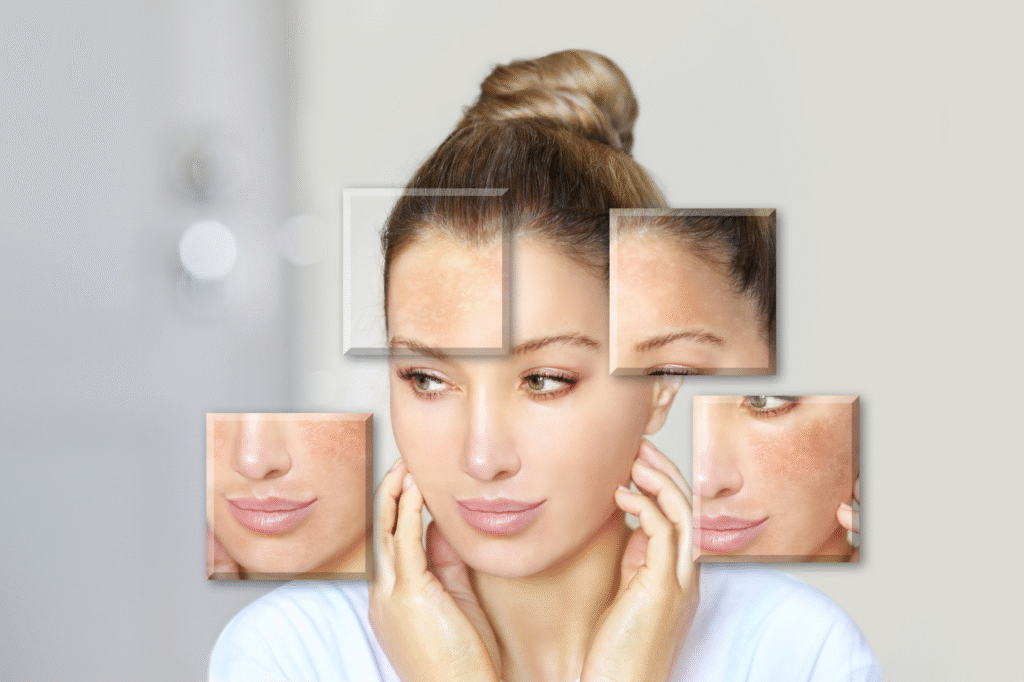
Summer Skincare Mistakes That Worsen Pigmentation Summer may bring sunshine and warmth, but it also brings one of the most common skin concerns — pigmentation. Whether it’s tanning, dark spots, or melasma, the heat and UV exposure can make these problems worse if you’re not careful with your skincare routine. As a dermatologist, I often see patients who unintentionally make small mistakes during summer that lead to uneven skin tone and dullness. Let’s discuss the most common ones and how to avoid them. 1. Skipping Sunscreen or Using the Wrong One The biggest mistake people make in summer is not using sunscreen daily or choosing the wrong SPF. Sunscreen is your skin’s best defense against pigmentation, tanning, and photoaging. Choose a broad-spectrum sunscreen (SPF 30 or higher) that protects against both UVA and UVB rays. Reapply every 2–3 hours, especially if you’re sweating or spending time outdoors. Don’t forget areas like your neck, ears, and hands — pigmentation often starts there too. Dermatologist Tip: If you have oily or acne-prone skin, opt for a gel-based, non-comedogenic sunscreen to prevent breakouts while staying protected. 2. Using Harsh or Whitening Products Many people think using “whitening” or “strong chemical” creams will lighten pigmentation quickly. Unfortunately, these can damage your skin barrier, cause inflammation, and worsen pigmentation over time. Avoid products with hydroquinone or strong steroids unless prescribed by a dermatologist. Overusing exfoliating acids (like glycolic or lactic acid) can also cause post-inflammatory pigmentation, especially in Indian skin tones. Dermatologist Tip: Stick to gentle brightening ingredients like niacinamide, kojic acid, and vitamin C — and always introduce them gradually. 3. Ignoring Heat and Sweat Protection Even if you’re not in direct sunlight, heat itself can trigger pigmentation (especially melasma). When your body temperature rises, it stimulates melanocytes to produce more melanin — leading to dark patches. Try to stay in cool, shaded areas whenever possible. After sweating, wash your face gently and reapply sunscreen. Avoid long exposure to hot kitchens, saunas, or steam rooms. Dermatologist Tip: Use soothing sprays or thermal water mists to cool your skin during the day. 4. Not Moisturizing Enough Many assume that oily or humid summer weather means you can skip moisturizer — a big mistake! Dehydrated skin becomes more prone to irritation and uneven pigmentation. Choose a lightweight, gel-based moisturizer that hydrates without feeling heavy. Ingredients like hyaluronic acid and ceramides help maintain your skin barrier and prevent discoloration. 5. Forgetting Physical Protection Sunscreen alone isn’t enough — physical protection is equally important. Wear a wide-brimmed hat, UV-protective sunglasses, and light cotton clothing when stepping out. If you’re driving often, remember that UV rays penetrate glass, so sunscreen and arm protection are still needed. 6. Ignoring Diet and Hydration Pigmentation isn’t only about what you apply; it’s also about what you eat. A diet rich in vitamin C, antioxidants, and hydration supports skin repair and helps fade dark spots naturally. Include citrus fruits, berries, leafy greens, and plenty of water in your daily routine. Professional Help for Stubborn Pigmentation If pigmentation persists despite good care, it’s time to seek professional treatments under a certified dermatologist. At Skin Savvy Clinic, Varanasi, we offer safe and effective options like: Chemical Peels – To exfoliate and fade dark spots gently. Laser Toning – To target deeper pigmentation and uneven skin tone. Glutathione & Brightening Therapies – To improve overall radiance and clarity. Conclusion Summer skincare doesn’t have to be complicated — it just needs to be consistent and protective. Avoiding these common mistakes can make a huge difference in keeping pigmentation under control. At Skin Savvy, my goal is to help every patient understand their skin type and build a customized, effective routine that prevents long-term damage. If you’re struggling with uneven skin tone or stubborn pigmentation, book a consultation at Skin Savvy Clinic, Varanasi — and let’s bring your skin back to its healthy, radiant best. For more information please connect with us: Hospital’s Name: Skin Savvy by Dr Garima VaranasiAddress: Malviya kunj, SHARABH HOSPITAL, B31/13 D-P, Saket Nagar Colony, Lanka, Varanasi, Uttar Pradesh 221005Contact Number: +91-8808872742Email Id: contact@skinsavvybydrgarima.comWorking Days & Hours: Mon – Sat(11am–7 pm)  ,                                  Sunday(12pm–4 pm) Call Now Or WhatsApp

Skincare Treatment

Dermal Fillers for Under-Eye Hollows — A Safe Solution for Tired Eyes

Dermal Fillers for Under-Eye Hollows — A Safe Solution for Tired Eyes Dark shadows, hollows or that constant “tired” look under the eyes are one of the most common concerns my patients bring to Skin Savvy. Even with good sleep, hydration and skincare, under-eye hollows (also called tear trough deformity) can persist — making you look older or fatigued. The good news is that dermal fillers, when used judiciously by a trained dermatologist, offer a safe, effective and natural-looking solution. Below I explain what under-eye fillers do, who is a good candidate, what to expect during and after treatment, risks, alternatives, and how we approach this treatment at Skin Savvy so you get predictable, beautiful results. What are under-eye hollows and why do they happen? Under-eye hollows form when the volume beneath the lower eyelid decreases or when the support structures (fat pads and skin elasticity) change with age. Contributing factors include: Loss of facial fat and bone volume with age Thinning skin and reduced collagen/elastin Genetic anatomy — some people are born with deeper hollows Lifestyle factors (weight loss, poor sleep, chronic stress) Hollows create shadows that look like dark circles, even if pigmentation is minimal. Filling this area restores a smooth transition between the lower eyelid and cheek, brightening the face. How do dermal fillers help? We most commonly use hyaluronic acid (HA)-based fillers for the tear trough. HA is biocompatible, reversible (with hyaluronidase) and provides immediate volume and structural support. Proper placement: Softens the lid-cheek junction Smooths the shadowing and reduces the tired appearance Restores youthful contour without surgery At Skin Savvy I use product types and techniques tailored to this delicate zone — typically low-viscosity, cohesively soft HA fillers placed very precisely. Who is a good candidate? Ideal candidates are those who: Have hollows or contours causing shadows under the eyes Have good overall skin quality (no active infection or significant inflammation) Understand realistic expectations — fillers improve hollows but do not treat true skin pigmentation or very loose skin Are willing to follow pre- and post-procedure instructions Not suitable (or require extra caution): Patients with very thin, crepey skin and severe laxity (may need skin tightening or surgical options) Active eye infections, certain autoimmune conditions, or pregnancy/breastfeeding (we avoid fillers) Those expecting permanent results — HA fillers are temporary (lasting months to 18 months depending on product and metabolism) Safety, side effects & rare complications Under-eye filler is overall safe when performed by a dermatologist, but you should be aware of possible effects: Common temporary effects Mild swelling, redness, tenderness or bruising for a few days Lumpiness that usually resolves in the first 1–2 weeks Less common / important risks Persistent swelling (especially in patients with lymphatic drainage issues or allergies) Tyndall effect (bluish discoloration) — avoidable by correct depth and product choice Vascular occlusion (very rare) — a blood vessel may be compromised; immediate recognition and treatment with hyaluronidase can prevent tissue damage Infection (rare) — minimized with strict aseptic technique Because the tear trough is anatomically complex and near important structures, choice of product + injection technique + experience matter. At Skin Savvy I follow strict protocols and have hyaluronidase on hand should reversal be needed. Complementary treatments & alternatives Sometimes fillers alone are not enough, and a combined approach gives the best result: PRP (Platelet-Rich Plasma) — stimulates collagen and improves skin quality under the eyes; good when combined with fillers. Skin boosters (micro HA) — for fine surface hydration and texture improvement. Fractional lasers / radiofrequency — tighten skin and improve pigmentation/texture. Lower eyelid blepharoplasty (surgical) — best for severe fat prolapse or very loose skin. During consultation I explain if fillers alone will work or if combining treatments will give a longer-lasting, natural outcome. Aftercare (my post-treatment advice) Avoid strenuous exercise, alcohol, and facial massages for 24–48 hours. Sleep with head elevated the first night to reduce swelling. Use cold compresses for discomfort or swelling. Protect the area from strong sunlight and use sunscreen. Return for review at 2 weeks — I commonly fine-tune if needed. Results you can expect Most patients see an immediate improvement in hollowness and under-eye shadowing. Final results settle over 2–4 weeks as swelling reduces and filler integrates. The goal is subtle rejuvenation — a fresher, well-rested look, never an overfilled or “done” appearance. Why choose Skin Savvy? At Skin Savvy we combine a careful anatomical assessment with conservative, safety-first techniques. My priority is a natural outcome and patient safety — which means realistic expectations, using the right product, and follow-up care. If you’ve been hiding behind concealer or tired of looking fatigued despite rest, under-eye filler could be a life-changing, minimally invasive option. Conclusion Under-eye hollows can make you look tired even when you’re full of energy. With the right dermal filler treatment, you can safely restore volume, smoothness, and brightness to your under-eye area — without surgery or downtime. At Skin Savvy, I believe in enhancing your natural beauty, not changing it. Every filler treatment is customized to your facial anatomy and goals, ensuring subtle, graceful, and long-lasting results. If your eyes look tired even after a good night’s sleep, it might be time to consider a professional solution. Visit Skin Savvy, Varanasi, and let’s bring back that fresh, youthful glow — safely and naturally. For more information please connect with us: Hospital’s Name: Skin Savvy by Dr Garima VaranasiAddress: Malviya kunj, SHARABH HOSPITAL, B31/13 D-P, Saket Nagar Colony, Lanka, Varanasi, Uttar Pradesh 221005Contact Number: +91-8808872742Email Id: contact@skinsavvybydrgarima.comWorking Days & Hours: Mon – Sat(11am–7 pm)  ,                                  Sunday(12pm–4 pm) Call Now Or WhatsApp

Skincare Treatment

Best Treatments for Large Pores

Best Treatments for Large Pores If you often find yourself frustrated by visible pores that make your skin look uneven or textured, you’re not alone! Large pores are one of the most common skin concerns I see at Skin Savvy Clinic. The good news? With the right dermatological treatments and consistent care, you can achieve smoother, refined skin. What Causes Large Pores? Large pores are not just a result of genetics—several factors contribute to their appearance: Excess oil production – Oily skin tends to have enlarged pores as the sebaceous glands are more active. Loss of skin elasticity – As we age, our skin loses collagen, causing pores to appear more open. Sun damage – Prolonged sun exposure thickens the skin and makes pores more visible. Improper skincare – Using comedogenic products or skipping exfoliation leads to clogged pores and buildup. Understanding the cause helps me customize a treatment plan that addresses the root of the issue, not just the surface. Dermatologist-Approved Treatments for Large Pores at Skin Savvy At Skin Savvy, we use advanced, non-invasive procedures to minimize pore size, improve skin texture, and restore your skin’s natural glow. 1. Chemical Peels A chemical peel is one of the most effective ways to deep-clean and exfoliate your skin. By removing dead skin cells and excess oil, peels like Glycolic, Salicylic, and TCA peels help unclog pores and refine their appearance. Regular sessions stimulate collagen production, keeping your skin firm and smooth. 2. Laser Resurfacing (CO₂ Laser) Our fractional CO₂ laser treatment is a powerful way to tighten skin, reduce oiliness, and boost collagen regeneration. It works by creating microscopic channels in the skin, prompting natural healing and renewal. This improves overall texture and significantly minimizes large pores. 3. Microneedling with PRP Also known as the “Vampire Facial,” this treatment uses tiny needles and your own platelet-rich plasma to stimulate collagen and elastin. Over a few sessions, your skin becomes firmer, smoother, and more even-toned. This is one of my personal favorites for patients struggling with both large pores and acne scars. 4. HydraFacial For those who prefer a gentle yet highly effective option, HydraFacial is perfect. It deeply cleanses, exfoliates, and hydrates the skin, removing impurities and oil trapped inside pores. It’s ideal for all skin types and gives an instant glow with zero downtime. 5. Medical-Grade Skincare Regimen Treatment doesn’t stop at the clinic! I always emphasize the importance of a customized home skincare routine. Using dermatologist-recommended products with niacinamide, retinoids, and salicylic acid helps maintain the results and prevent pore enlargement in the future. Lifestyle Tips for Minimizing Pores Always remove makeup before sleeping. Use a non-comedogenic sunscreen daily. Avoid touching or squeezing pores. Stay hydrated and eat antioxidant-rich foods. Small habits can make a big difference in maintaining long-term results. Conclusion Large pores are a common but completely manageable concern. At Skin Savvy Clinic, we focus on combining advanced dermatological technology with personalized care to give your skin the refinement it deserves. Whether it’s through laser, peels, or microneedling, we ensure every treatment is tailored to your skin type and goals. If you’re ready to achieve smoother, healthier-looking skin, book a consultation with me at Skin Savvy — let’s create a treatment plan that brings out your skin’s best version! For more information please connect with us: Hospital’s Name: Skin Savvy by Dr Garima VaranasiAddress: Malviya kunj, SHARABH HOSPITAL, B31/13 D-P, Saket Nagar Colony, Lanka, Varanasi, Uttar Pradesh 221005Contact Number: +91-8808872742Email Id: contact@skinsavvybydrgarima.comWorking Days & Hours: Mon – Sat(11am–7 pm)  ,                                  Sunday(12pm–4 pm) Call Now Or WhatsApp

Scroll to Top